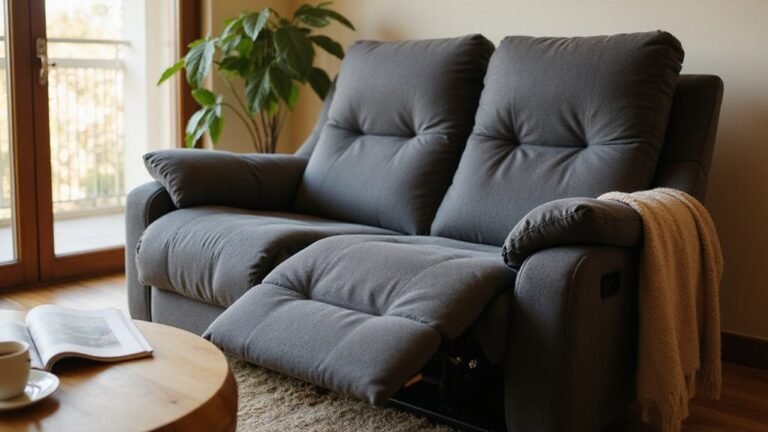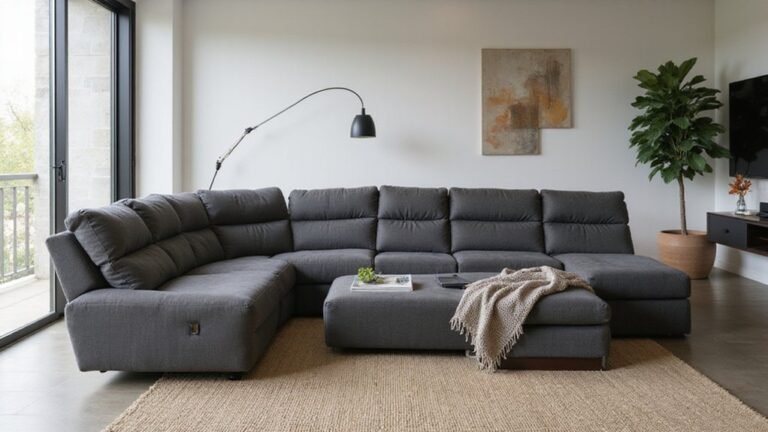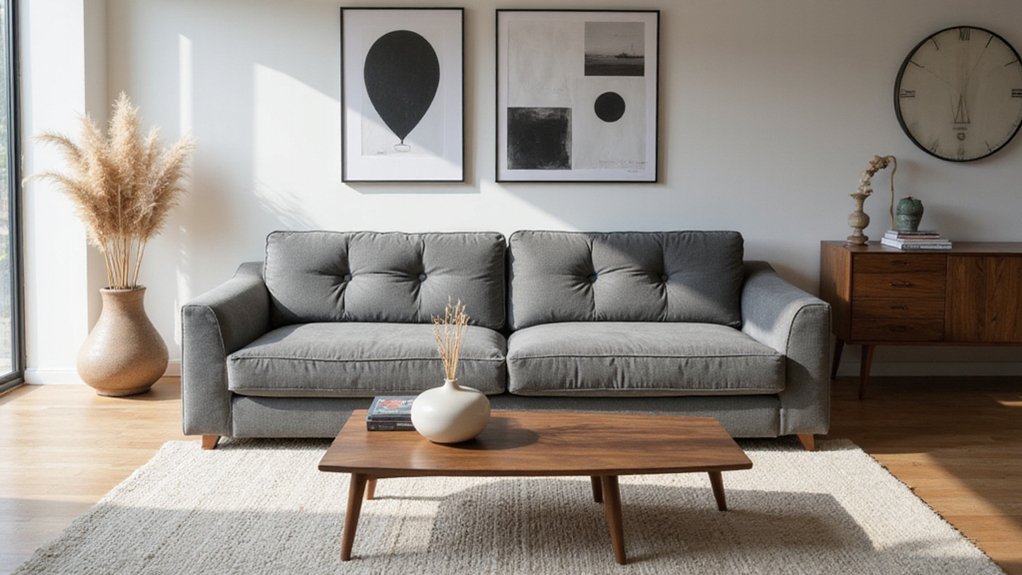
Figuring out how to style a room around your recliner can feel tricky, especially when trying to balance comfort and style. The key is creating a space that is inviting yet functional, making sure your recliner is the star without crowding walkways or cluttering the area.
By following simple tips on furniture placement, focal points, and lighting, you can design a cozy space that feels effortless and well put together.
Keep reading to discover how to transform your room into a perfect retreat centered around your recliner.
Start With Essential Recliner Placement Rules
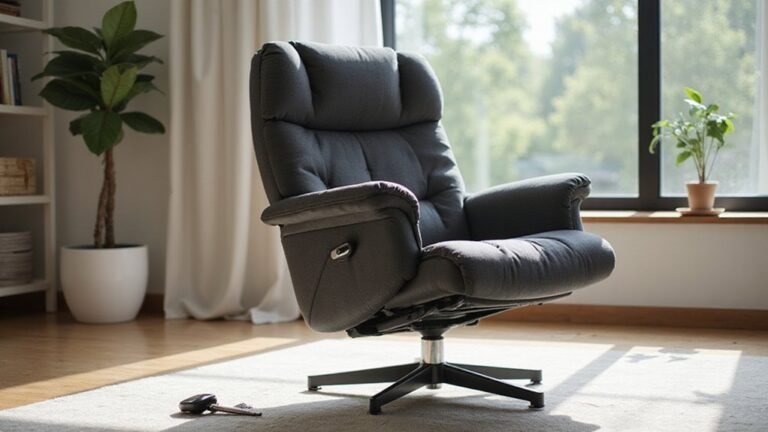
You should leave between 30 and 36 inches of clear walkway space in front of your recliner. This gap ensures you have enough room for comfortable movement and safe passage around the chair. It also allows the legrest and back to fully extend without blocking pathways or creating tripping hazards, especially important for power recliners with cords. Before adjusting your layout, a quick DIY troubleshooting check can confirm your recliner’s motor is functioning properly. Proper spacing not only enhances safety but also maintains a clean, accessible look in your living space. For power recliners, remember to first disconnect any electrical wiring to avoid potential damage during movement or placement. Once positioned, you can further secure it using anti-slip pads or other methods to prevent unwanted backward movement on carpeted floors.
Pair Your Recliner With Functional Furniture
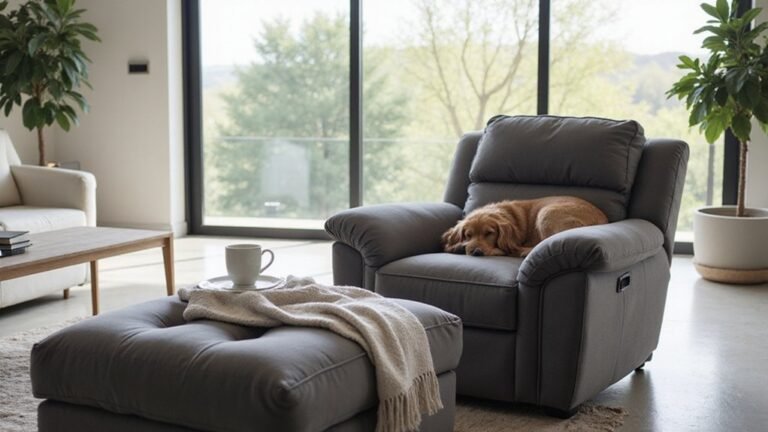
Pairing your recliner with the right supporting furniture creates a balanced and functional space. Choose a coffee table that is about two-thirds the length of your sofa to maintain proper flow and ensure enough clearance for the footrest. Opt for tables with rounded edges and built-in storage drawers to keep clutter out of sight. Side tables should be level with the armrests; slim-leg or glass-top designs help lighten the visual weight of the recliner. Incorporate ottomans or woven baskets to offer hidden storage options, and make sure all pieces coordinate with the room’s color scheme. When selecting your recliner, consider models that offer a side-lever mechanism to minimize strain during use. Should your recliner later develop an uneven lean, first check for loose screws or hardware as this is a common and easily fixed issue. For large moves, knowing the sofa’s modular disassembly tips can make transporting it much simpler. Finally, add decorative accents like a slim floor lamp or a tall plant to visually balance the scale and create a harmonious look. Each piece should be both practical and stylish, contributing to an uncluttered, inviting space.

This versatile coffee table acts as an ideal multi-functional centerpiece and works perfectly as a Coffee table for living room. Equipped with a large rectangular tabletop...
Balance the Layout Around a Room Focal Point
To balance the layout around a room’s focal point, start by clearly identifying that anchor. Position your reclining sofa to face or frame this feature, ensuring it commands attention and provides a good view for everyone in the room. Distribute heavy furniture pieces evenly across the room’s quadrants, matching visual weight on opposite sides without insisting on perfect symmetry. Tall items like bookcases can be placed opposite the sofa to help balance horizontal lines. Larger artworks on smaller walls also contribute to visual equilibrium. Keep decorative accents minimal and curated to avoid clutter, and use symmetrical arrangements—such as flanking artwork around a TV—to unify the layout and maintain focus on your chosen anchor.
Choose Recliner-Friendly Rugs and Textiles
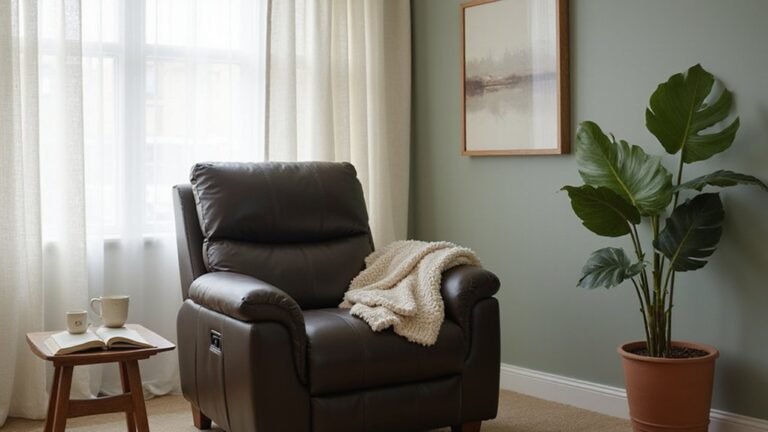
Recliner-friendly rugs and textiles prioritize low-pile or flatweave styles. These materials allow your recliner to glide smoothly without catching on the fibers. For upholstery, choose stain-resistant fabrics, performance textiles, or leather. When selecting a pattern, consider avoiding linear designs due to the movement of the chair’s mechanisms. These options make cleaning easier and withstand daily wear better, which is key for preserving your sofa’s average lifespan. To prevent slipping, secure rugs with non-slip pads or furniture grips. Select neutral colors and simple patterns for the rug to complement your sofa and create a cohesive look. These choices ensure your furniture operates smoothly and blends seamlessly into your room’s overall design. This smooth operation is essential, as caught fabrics can strain the recliner’s electric motor and gears.

THE ORIGINAL EXTRA STRONG GRIPPER: our trusted Gorilla Grip nonadhesive rug pads offer a unique, dual sided grip that firmly holds onto both the rug pad and your hard floor to help prevent rug movement
THE ORIGINAL EXTRA STRONG GRIPPER: our trusted Gorilla Grip nonadhesive rug pads offer a unique, dual sided grip that firmly holds onto both the rug pad and your hard floor to help prevent rug movement
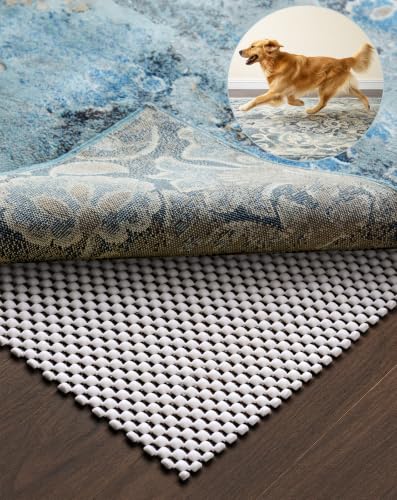
Non-slip Protection: Our pad's signature grip keeps rugs securely in place, preventing bunching and sliding during daily use. It also protects your floors from wear and tear, including damage from high heels, children at play, and more.
Light Your Recliner for Comfort and Style
Proper lighting is essential for styling your recliner area effectively. Layer task, ambient, and accent lighting to enhance both functionality and visual appeal. Place adjustable floor lamps or desk lights with dimmers nearby for focused reading light, ensuring they are level with your armrest for easy access. For a cozy atmosphere during relaxation, use soft floor lamps or dimmable pendant lights to produce a warm glow that invites unwinding.
Incorporate accent lighting, such as uplights or picture lights, to highlight surrounding artworks or shelves, adding visual interest. When positioning your lamps, keep task lights within a 12 to 18 inch buffer behind your recliner to prevent glare and maintain a balanced light distribution. Smart controls are a smart addition, allowing you to switch effortlessly between bright, task-oriented settings and softer, ambient modes perfect for movie nights or unwinding. For an electric model, ensure its power supply is on a dedicated outlet to avoid overloading the circuit with other lamps and devices. To ensure your chair operates smoothly for years without distraction, periodically inspect power mechanisms as part of your maintenance routine, and remember to occasionally inspect and tighten screws to prevent unwanted noises or movement.

【Super Bright & Save Energy】Yikuneng bright floor lamp used advance high brightness LED, 18W LED floor lamp equivalent to traditional 200W halogen lamp, provide excellent lighting for reading, do homework, working, and breastfeeding without hurting your eyes. Save 90% energy mean save your money on electricity bill.

[Bright Comfortable Lighting] With 1300LM brightness and 4 adjustable color temperatures (2700K–6500K), this modern LED floor lamp delivers diverse light from cozy living rooms to focused home offices; stepless dimming (10%–100%) lets you fine-tune the light to suit your mood or task

Magnetic Remote & Foot Control: GOEBLESON floor lamps for living room comes with a remote and a foot switch. The magnetic remote sticks onto the pole or any metal surface for easy access. The foot switch provides a convenient backup option to turn on/off quickly without reaching for the remote. The remote control standing lamp is such convenient for setting the smart lighting from the comfort of your couch or bed