Wondering when it’s safe to use a recliner after your hip replacement? The answer varies, but generally, most people can start sitting in a recliner around six weeks post-surgery.
However, the timing depends on your surgical approach and individual healing progress. Getting your doctor’s approval is crucial to avoid risking dislocation or injury during recovery.
When Can You Use a Recliner After Hip Replacement?
You should avoid using a recliner for at least six weeks after your hip replacement surgery. This period is crucial for ensuring your new joint stabilizes properly. Recliners often promote hip flexion beyond the safe 90-degree angle and have low, soft seats that increase the risk of dislocation. During this initial healing phase, safety takes precedence over comfort. Instead, opt for a firm, straight-backed chair with armrests that support proper posture and reduce dislocation risk. Generally, you should not use a recliner until after your six-week postoperative checkup, when your doctor gives final clearance. Consider using non-slip furniture pads under your standard chair legs to prevent any unwanted movement. Should a power outage occur, you may need to know how to close a power recliner manually to avoid being stuck in an unsafe position. Knowing how to test the power supply with a multimeter can help you confirm if an electrical issue is preventing the chair from operating.

Hip Replacement Pillows after Surgery: The hip surgery recovery must haves can help raise the seat after the surgery and tilt the thigh downward, assisting in recovery.

The Breuer wood frames are made from beechwood and come in 4 (four) finishes: Natural, Honey Oak, Walnut and Black
Your Surgical Approach Is the True Deciding Factor
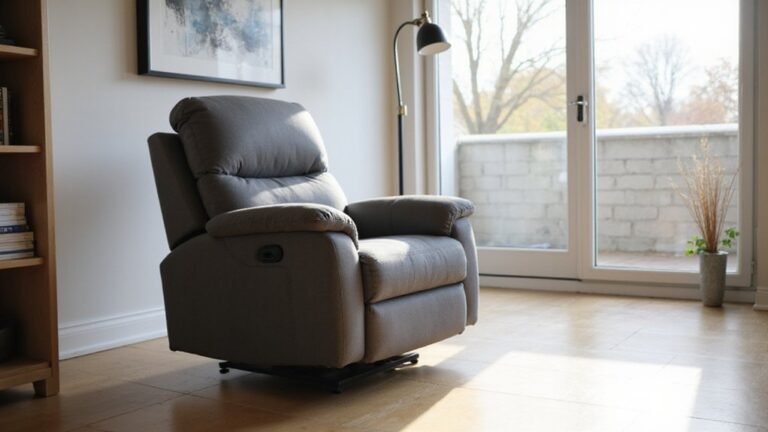
Your surgical approach is the key factor in determining your recline timeline. While the standard guideline advises avoiding recliners for six weeks after a hip replacement, the specific surgical technique you undergo influences this period. If you received an anterior approach, you can typically sit in a recliner within 2 to 4 weeks because this method spares major muscles and does not impose a strict 90-degree hip flexion limit. However, you will need a side-lever control to operate the footrest safely, as this avoids the twisting or bending required to reach a remote control. For those with limited space, a wall-hugger recliner can be an excellent choice, as it requires only inches of clearance to fully recline. Conversely, with posterior or lateral approaches, you should avoid recliners entirely for at least six weeks to prevent dislocation. Reclining in these cases risks flexing your hip beyond the critical 90-degree angle, which increases the danger of dislocation. During this period, you should rely on firm, straight-backed chairs instead. When selecting any chair for recovery, be mindful of the increased maintenance needs inherent to recliner mechanisms. Always follow your surgeon’s specific instructions, as your precise surgical technique, along with good post-operative nutrition and prescribed alternative therapies, determines your safe window for reclining.
Essential Features of a Recovery-Safe Recliner
Since your surgical approach determines when you can start using a recliner, choosing one with certain features is essential for your safety and comfort. Opt for a firm seat height between 19 and 22 inches, which keeps your hips above your knees and helps you follow the 90-degree rule for sitting angles. Strong, accessible armrests are crucial for safe sit-to-stand transfers, providing leverage and support without strain. For added safety, ensure the armrests are securely attached by checking their fasteners and brackets during your evaluation. Before purchasing, be sure to measure your vehicle’s interior dimensions to guarantee a safe trip home from the store. Full lumbar and back support help maintain proper spinal alignment during recovery and reduce discomfort. Adjustable recline angles allow you to find the most comfortable position, minimizing pressure on your surgical site. If you choose an electric model, its motors typically use a modest wattage, comparable to a small household appliance and costing only pennies per day to operate. Prioritize durability in materials—select sturdy frames and upholstery that can withstand daily use. Easy-to-clean fabrics save time and effort, especially when spills or stains happen. Ensure the base is stable with enough floor clearance to accommodate your walker safely during transfers.

【Assists Hip Replacement Recovery】:This product is a specialized Hip Replacement Recovery Aids designed for postoperative people. Through scientific height adjustment and ergonomic support design, it can reduce hip pressure after surgery, avoid compression on the surgical site, and provide a good sitting environment for hip replacement postoperative recovery.

【SUPER 3 IN 1】Simultaneously features recliner seat cushion, recliner back support cushion, and recliner leg pillows, complete coverage of your recliner provides unlimited comfort. The soft velvet fabric provides a velvety touch and the high-density sponge padding keeps the product from collapsing and never getting flat.

ADJUSTABLE HEIGHT & FIRMNESS: Customize your comfort with a unique multi-layer memory foam design. Easily switch between 2-inch and 3-inch seat heights and adjust the firmness from soft to firm for personalized support at your desk, in the car, or while sitting for long periods.
The Safe Technique for Getting In and Out
Because you’ll likely need to sit and stand many times a day, mastering the technique for getting in and out of a recliner is an essential safety skill after your hip replacement. Safety should never be sacrificed for comfort or aesthetics. To sit, back up until your legs touch the seat, then use your hands on the armrests to lower yourself slowly, keeping your operated leg straight ahead. When standing, scoot to the edge of the seat first. Plant your feet flat on the floor, push up with your arms and your strong leg, and then lead with your operated leg only once you feel balanced. Before rising, ensure your walker is positioned directly in front of you for stability. For additional stability, you may wish to temporarily remove the recliner back panel to ensure the chair frame is clear of any obstructions. A secure recliner chair cover with snug clasps and straps can help prevent the cushion from shifting and creating a tripping hazard during these movements. Keep your walker close but avoid pulling on it to stand. Before moving, always clear your path to ensure a stable exit. A recliner’s hardwood frame can contribute to its stability during this recovery.

Keep Your Recliner Cover in Place - I think you've had enough of irritated with cover sliding off daily, with this straps, it will keep your covers tidy all the time!Each strap extends flexibly from 20 to 42 inches.

Superior Adjustability for Universal Fit: Each strap extends flexibly from 6 to 28 inches (15 - 70cm), ensuring a snug fit for all sofa sizes and cushions. Whether it’s a compact loveseat or a large sectional, these straps lock everything in place perfectly!

Exclusive Patent Protected Pattern: TAOCOCO recliner chair cover features an exclusive high tech printed pattern protected by USPTO registered design protection; Patent No VA 2-353-862; designed to bring a distinctive modern look to your recliner chair while combining style with everyday practicality
Critical Mistakes to Avoid in Your Recliner
To avoid common mistakes while using your recliner, ensure your hips stay above your knees and do not twist or cross your legs. Keep your surgical leg facing forward and do not allow it to twist inward. Use firm, stable armrests to support your weight when sitting down or standing up, and never lower yourself too quickly. When choosing fabric for a new recliner or a recovered one, avoid linear patterns due to the recliner’s moving parts and opt for a durable fabric. Always stand up slowly from the chair to prevent strain on your healing tissues. When choosing a recliner, prioritize safety over appearance by avoiding soft, low, or manual recliners that lack stability. Instead, opt for a durable recliner with a straight-back design that offers proper support, reducing the risk of compromising your recovery. For a safer and simpler project, beginners can consider a wooden recliner frame built from lumber and screws. For ultimate placement flexibility and to eliminate trip hazards from cords, consider using a battery-powered recliner.

Ergonomic Back Support: Specially designed for recliners, couches, armchairs, and office chairs. this back pillow for chair provides full lower back and waist coverage. At 19" x 15" x 4", it’s ideal for reading, relaxing, or long hours of sitting with reliable support.

【🌸 MASSAGE & HEATING COMFORT】 Relax after a long day with 4 massage points covering your back and waist, 3 intensity levels, and 5 vibration modes. The gentle heating function adds extra warmth and comfort, making this recliner a cozy spot to unwind, read, watch TV, or simply take a break.

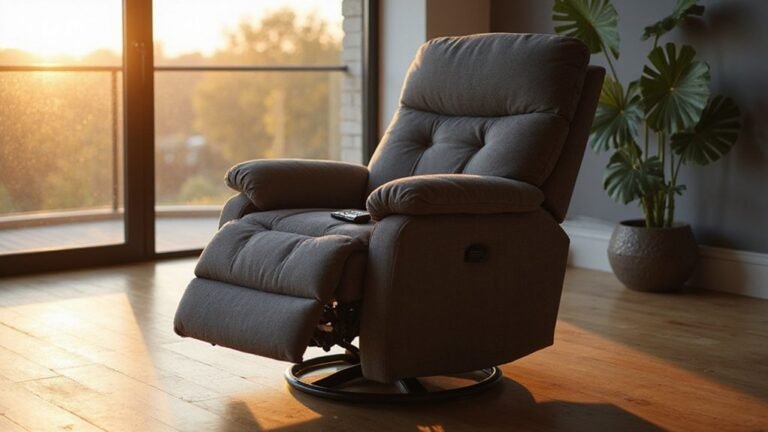
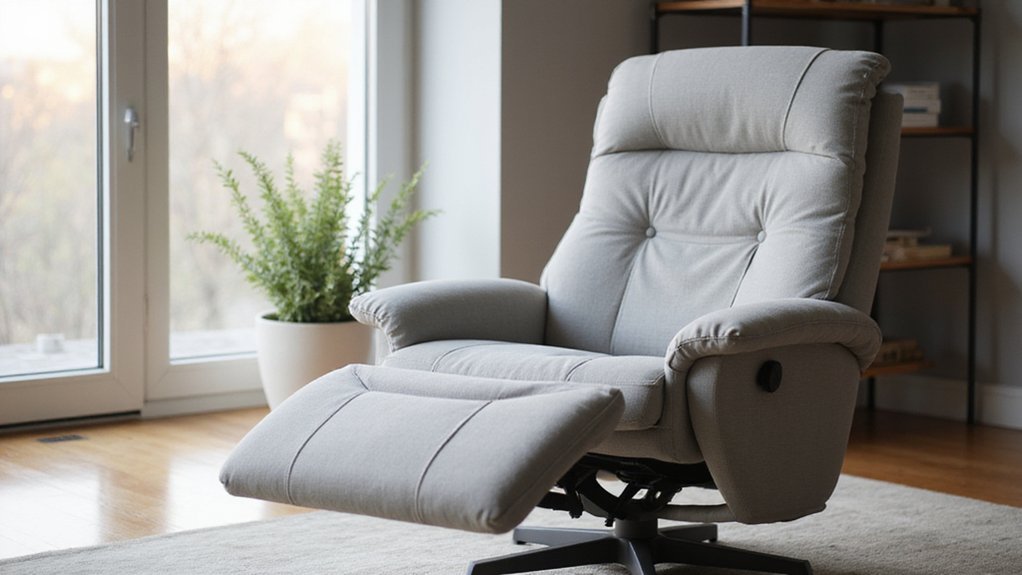
Swivel Rocker Recliner Chairs:Swivel recliner chairs for adults have 360° Swivel, 30° Rocking, and 90-150° angle reclining function for versatile use. Easily adjust the small rocker recliner chair by pulling out the lever located next to the armrest to activate the footrest. Note that the swivel recliner chair backrest smoothly retracts as you change positions.The swivel function adds an element of fun and entertainment and it fits into tight spaces for a comfortable experience.
How Long to Sit in a Recliner After Surgery
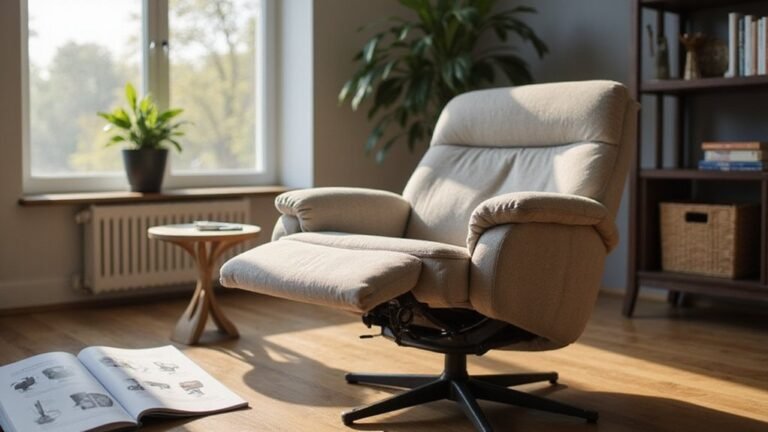
You should limit your recliner sessions to 30–45 minutes at a time during your recovery. Spending longer without getting up can cause leg swelling and stiffness, which impair healing. It’s important to stand up and walk regularly between sitting periods to promote circulation and lower the risk of blood clots. When sitting, ensure your recliner is ergonomically set so your hip remains elevated above your knee, and avoid flexing your hip past 90 degrees. Proper positioning helps maintain joint alignment and supports posture correction. A riser recliner chair can provide valuable assistance by gently supporting this transition and reducing strain, and choosing a model with a durable hardwood frame can ensure it supports you reliably throughout your recovery. Aim to use the recliner mainly during the first two months after surgery, but always break up your sitting time with frequent movement. Short, consistent sessions are safer and more effective than prolonged inactivity. If your recliner’s pull cable breaks during this period, you can order a replacement kit and repair it yourself with common tools.

Dual-Layer Back Surgery Recovery Pillow: Experience the ultimate relief for your aching back with our dual-layer post surgery pillow. The bottom layer of high-resilience foam delivers firm, reliable support, while the top layer of slow-rebound memory foam gently cradles your back with a cloud-like softness—ensuring you never sink in the 45 degree wedge pillow too far. Combine with the semi-circular lumbar pillow which is ergonomically designed to fill the gap in your lower back, providing targeted relief for your spine. It delivers precise support, molding to your body for a comfortable, customized experience. (Non-medical Use)

【THREE-LAYER ADJUSTABLE HEIGHT】 Unlike common 2-layer cushions, our hip replacement recovery aids feature a unique 3-part design (1.6" bottom + 4.3" core + 1.6" top). With a maximum height of 7.5 inches, it offers more customizable height options to ensure your knees stay below your hips, preventing excessive hip flexion and promoting faster recovery.

Suitable for after Hip Surgery: After hip surgery, the sitting posture should keep the knees below the hip joint. post hip surgery cushion can fulfill the function of raising the chair while tilting the thighs downward.
The One Rule That Overrides All Others: Surgeon Approval
You must get your surgeon’s direct approval before using a recliner after hip replacement. No advice or article overrides this rule. Your surgeon understands your specific procedure, hip flexion limits, and healing timeline. They can assess if a particular recliner’s seat height and mechanism are safe for you, as a leaning recliner mechanism can create an unstable sitting position that risks your recovery. Usually, the seat should keep your hips higher than your knees to prevent dislocation.
Never assume you are cleared to use a recliner until your surgeon personally confirms it, often after your first check-up around six weeks post-op. This approval is crucial because using a recliner without it can lead to dislocation, stiffness, or other complications. A power recliner with independent backrest adjustment could potentially offer safer, more controlled positioning if approved. Your emotional readiness to follow strict precautions also influences their decision. Always wait for their “yes” before making any changes to your sitting habits.