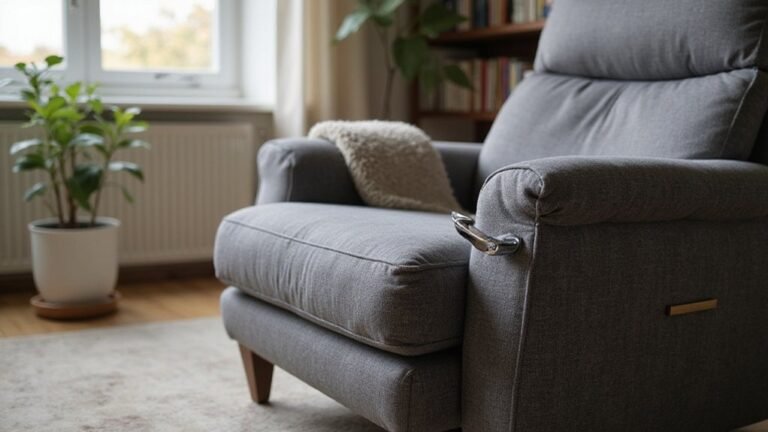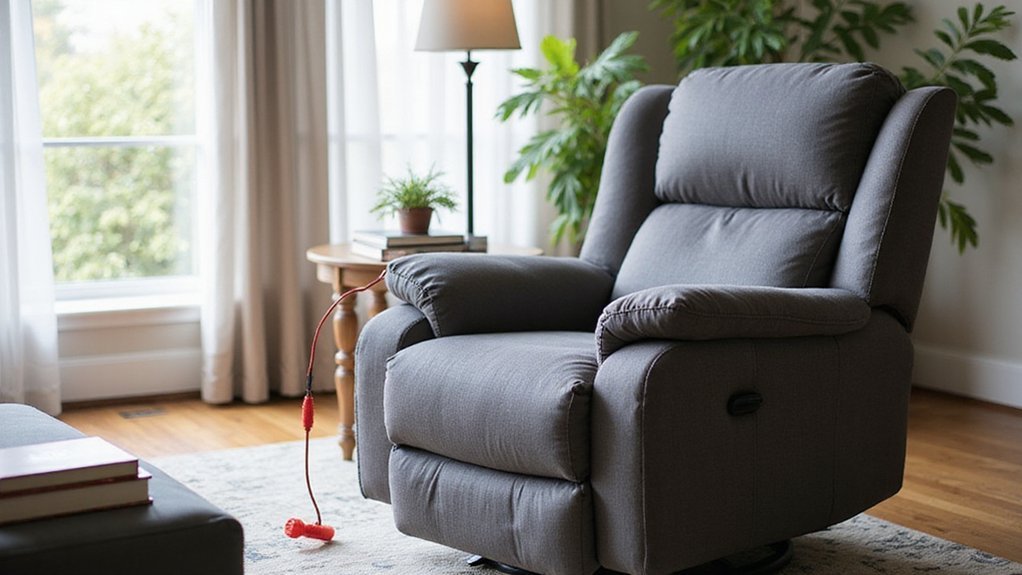
If your power recliner suddenly stops working and won’t close when the power goes out, it can be frustrating.
Luckily, most models have a manual way to close and lock the footrest without power.
By knowing where to find the release mechanism and how to operate it, you can safely shut your recliner in any situation.
Keep reading for simple steps to get your chair back in order.
Unplug Your Chair Immediately to Ensure Safety
Unplug your chair immediately to ensure safety. The first step is locating the power cord, which is typically found at the rear base of the chair. Firmly grasp the plastic plug body and pull it straight out from the wall outlet, avoiding yanking the cord itself to prevent wire breakage. Make sure your hands are dry to reduce the risk of electrical shock, and verify you’re disconnecting from the main socket rather than a surge protector. Once unplugged, place the cord on a dry, flat surface to keep it clear. This quick action disconnects all power, making the chair safe for manual adjustments without any electrical hazard, but consult the chair’s manual for any specific detaching the back procedure if needed for further access. It’s also wise to check the chair’s structural integrity for any issues while the power is disconnected. Cutting the power will cause the chair to collapse into an upright position for manual closure. This is a key difference from a lift recliner, which uses a powered mechanism to aid in standing.
Locate the Manual Release Under Your Seat
To locate the manual release under your seat, start by examining the seat base. Look along the sides of the seat cushion for a zipper or a fabric slit, as many models hide access points there. You may need to lift the cushion slightly to reveal an opening. Once you find it, search for a manual release cord, which is often red or black, with a plastic tab or knot at the end. Alternatively, check under the front edge of the seat for a small lever, typically made of flat metal or plastic. This lever connects to the chair’s frame underneath and allows you to manually release the seat. This lever often connects to a square shaft that transmits force to the internal release arms. Confirm its position and type before proceeding further. Like with a manual recliner, it’s important to check for bent or loose components in the release linkage for smooth operation. Before using the mechanical release, verify the chair’s power supply is unplugged to prevent any electrical hazards. This manual release is a critical part of diagnosing common mechanical problems before moving to more complex repairs.
Engage the Manual Release Lever or Cord
Engaging the manual release lever or cord is straightforward. First, locate the lever or cord on the footrest or chair frame. Apply a firm but gentle downward pull on the lever until you hear a clear click. If you’re using a cord, pulling it releases a split pin that disengages the primary actuator. This action bypasses the motor, allowing for manual control of the footrest. This manual override is a standard safety feature on all power recliner mechanisms. While operating manually, you can feel how easily it moves, a testament to the relatively modest power consumption of the electric motors normally doing the work. Keep the release open during operation to prevent accidental re-engagement. Always ensure your hands are clear of pinch points to stay safe. For a recliner that also swivels, consider tightening loose screws on the base as part of your regular maintenance to prevent unwanted movement. Proper maintenance of the handle, such as keeping it clean and lubricated, ensures the spring mechanism continues working smoothly. If you encounter a small plastic tab, rotate it 90 degrees to release it, which severs the electrical connection. This allows for safe, manual operation without risking electrical shock.
Manually Push the Footrest Linkage to Close It
To manually close the footrest, start by gently lifting the linkage to release any internal tension. Then, apply steady downward pressure to push the footrest fully closed. This action moves the linkage the actuator normally drives. Ensure the mechanism moves freely; if it feels stiff, you’ll need to address that later, perhaps by checking for and tightening any loose screws and bolts. Replacement parts like recliner cable kits can be found online if the manual mechanism is damaged. For smoother manual operation in the future, consider applying a light machine oil to the pivot points to reduce friction. When styling your space, this maintenance helps preserve the material texture and clean lines of your furniture. Structured visual cues can further aid in understanding this hands-on adjustment process. Keeping the mechanism clean and in a dry environment helps prevent corrosion. Hold the footrest closed until you feel it lock into its upright position. Do not use the chair until you have properly reattached the actuator.
Perform the Emergency Closing Procedure (Advanced Method)
If you’re dealing with a complex power recliner or the simpler methods don’t work, the emergency closing procedure offers a direct mechanical solution. First, unplug the chair for safety. Inspect the battery pack and its connection, as a loose or improperly seated battery could be the source of the power issue even during an outage. This is similar to the step of checking a reclining lever on a manual chair for stuck mechanisms. Then, locate the actuator’s carrier box on the drive arm. Use a socket set to unscrew its connecting bolts and remove the actuator entirely. During disassembly, it’s crucial to organize removed hardware to ensure proper reassembly later, just as you would when carefully disengaging the back panel locking clips on a manual recliner. This step directly disengages the motor, making remote control adjustments irrelevant until power is restored. Alternatively, find a split pin on a metal piston near the footrest. Pull this pin out with pliers. After completing either step, carefully push the footrest down by hand to close the chair. Work slowly and precisely to avoid damaging any components that could require upholstery repairs later.
Use an Alternative Power Source for Motorized Closing
In a power outage, using an alternative power source ensures your recliner can still operate smoothly. A small UPS (Uninterruptible Power Supply) with a pure sine wave output is a safe choice, typically providing 850VA of capacity. This size usually grants you about 10 to 15 minutes of runtime, enough to close or open the chair during short outages. For longer-lasting power needs, a rechargeable battery backup pack with an integrated inverter is ideal, as it can sustain operation for many hours. Designed primarily for emergency power, these backup solutions ensure the chair’s full functionality, including lifting and adjustment, is restored during an outage. Simply connect your recliner’s power cord directly to the battery unit. If your outlet is far from the recliner, use heavy-gauge extension cords to safely transfer power without voltage drops. Before connecting power, ensure you have securely reattached the backrest by locking the cam locks. When positioning the recliner with its backup power, remember to lift with your legs to avoid strain and prevent injury. For a stable setup that also prevents wall damage, consider placing rubber wedge stoppers behind the recliner legs once it’s repositioned. Always ensure that cords are routed securely to prevent tripping hazards and maintain a clear, safe environment.

1000W Inverter & 55A Charger 2-in-1: ECO-WORTHY inverter charger combines both an inverter and battery charger in one unit, delivering a powerful 55A charging capability for 12V LiFePO4 batteries and 1000W output (peak power 2000W) to efficiently power appliances such as microwaves and refrigerators

【POWERFUL DC to AC CONVERTER】: This solar inverter delivers 2000W of continuous battery DC 12V to AC 110V 120V power and up to 4000W of peak surge power when the load is started. The 12V inverter has a conversion efficiency of greater than 93% during normal working and low no-load losses

【Easy connection and power worry-free】Renogy inverter PUH has an on-grid transfer switch, so you can seamlessly switch between on-grid AC and off-grid DC power, ensuring uninterrupted operation and worry-free energy.
How to Reset Your Recliner After Power Returns
To reset your power recliner after electricity returns, start by unplugging the chair for ten minutes and then reconnecting it. This simple power cycle can clear common electrical glitches caused by sudden power loss. If the issue persists, locate the small reset button, usually found on the control panel or under the armrest. Press it with a paperclip and hold for several seconds to reset the electronics. Also, check the remote’s battery, as a weak or dead battery can mimic electrical faults. After testing, listen for unusual motor noises which could indicate a problem with the motor or controls. To reset the touch controls specifically, disconnect the DIN plug from the motor for twenty seconds before reconnecting. If problems continue, inspect all connections for any loose wiring or damaged plugs before seeking further assistance. This is similar to the process of inspecting and tightening screws and bolts on a manual recliner, ensuring all mechanical and electrical parts are secure. For both power and manual recliners, a thorough inspection of the reclining mechanism is crucial to identify any worn components that could prevent proper operation. Lastly, verify that the transformer’s LED light is lit after plugging the chair back in, confirming it has power.
Troubleshoot a Stuck or Broken Manual Release
To fix a stuck or broken manual release mechanism on your recliner, start by inspecting the lever or button for any foreign objects, rust, or dirt that could be blocking its movement. Cleaning the mechanism with a gentle brush or compressed air can often free up a jammed component. If dirt or debris isn’t the issue, check the release linkage for any loose or misaligned parts and gently adjust if needed, ensuring all mounting screws and bolts are securely tightened to restore stability and prevent further damage.
Next, look for visible signs of damage such as cracks in the lever, snapped actuator arms, or missing split pins. If you find broken parts, you’ll need to replace these components to restore proper function. Avoid applying excessive force on the mechanism, as this can cause further damage to the upholstery or internal frame. Repairing or replacing damaged parts is usually the most reliable solution for a stuck or broken manual release.

Oh Snap! - Did the sofa recliner pull ring suddenly broke or doesn't feel smooth anymore? Check out our Nonley sofa recliner handle replacement with updated design with superior grips!
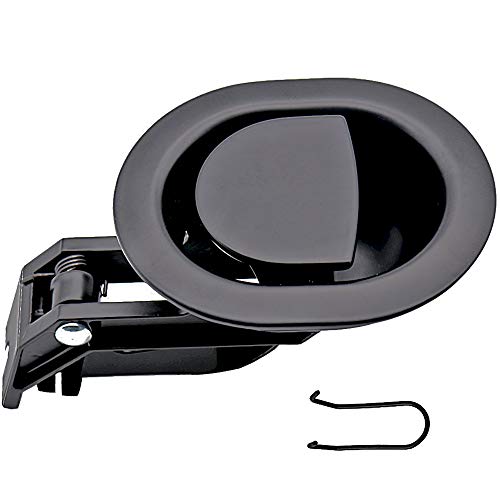
【Universal Recliner Part】Couch release handle size is 3.5" by 3", This Recliner handle replacement is a universal part found in Ashley Furniture and most recliner brands.
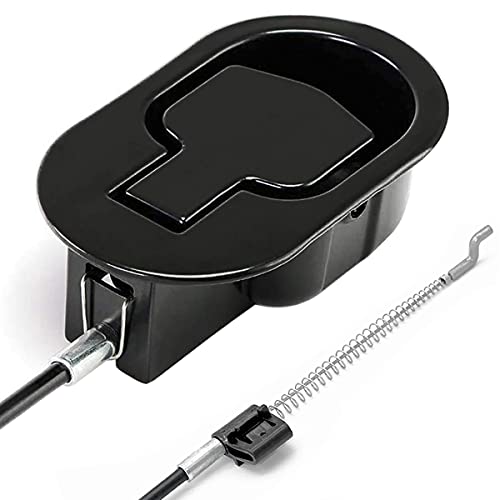
【Universal Recliner Part】Universal recliner replacement handle with long cable fit Most major furniture and recliner brands, such as Ashley, Lazy Boy.
Fix Persistent Problems When Your Recliner Won’t Close
If your recliner won’t close despite operating the manual release, the issue often involves a mechanical, electrical, or physical obstruction. Begin by unplugging the chair to prevent any electrical hazards. Inspect the linkage for bends or damage, and check whether the actuator is stuck in its white carrier box. Examine internal gears for stripped teeth or wear that might hinder movement. Ensure all wiring connections are intact and not disconnected or frayed. Remove any debris, such as dust or fabric threads, that could block the mechanism’s path. If you are manually pressing down the footrest, place a protective sheet beneath to shield your flooring and upholstery from damage. Maintaining the upholstery, especially keeping the mechanism area free of fabric snags, can prevent jams. A clean, unobstructed workspace helps you see the problem clearly and makes repairs safer and more efficient.

Match by Size: oval handle face 3.5 by 3 in; exposed cable length about 4.75 in, measured from the buckle to the top of the Z-hook bend; total cable length about 37 in. Compare these three numbers with your original part - sizes vary a lot between models, so measure first.

Fits Most Recliners: replacement pull handle with cable for manual recliner sofa, couch and chair; works with most major brands like Ashley and Lazy Boy. Exposed cable length is 5.1 in from the clip to the top of the Z-hook bend; to the cable sleeve it reads about 4.7 in, to the hook tip about 5.5 in - if your old cable measures anywhere in between, this is the right part.

🔧 PERFECT LAZBOY COMPATIBILITY Exact replacement for worn pins, springs, modern LAZBOY recliners. Check your model’s mechanism for compatibility.