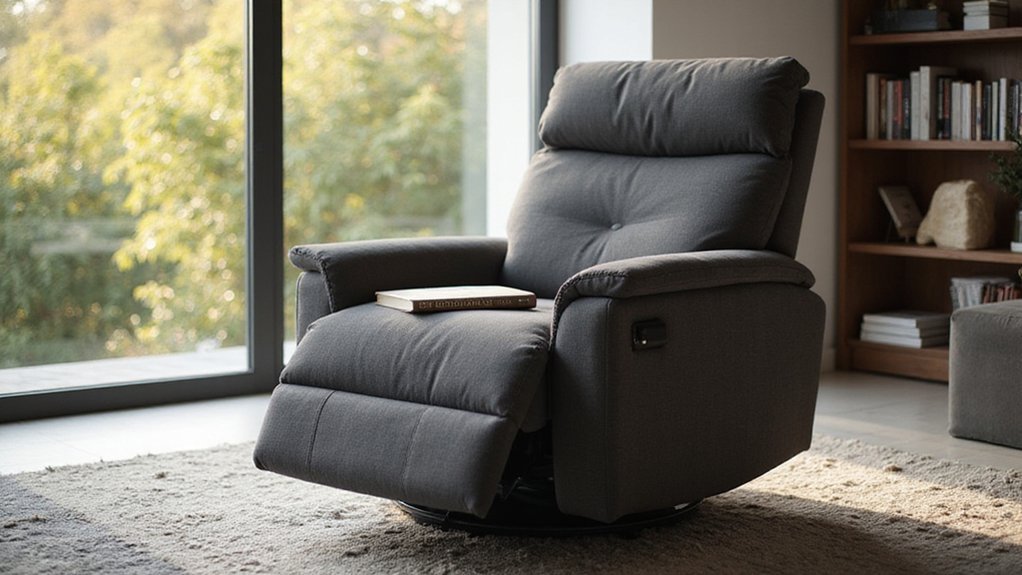
Figuring out how to operate your recliner might seem simple, but there’s more to it than just pushing back.
Whether your chair is manual or powered, knowing the right steps can make all the difference in comfort and longevity.
By mastering basic techniques, you’ll enjoy smooth adjustments and keep your chair in top shape.
The full guide below walks you through everything you need to know.
Identify Your Recliner: Manual vs. Power
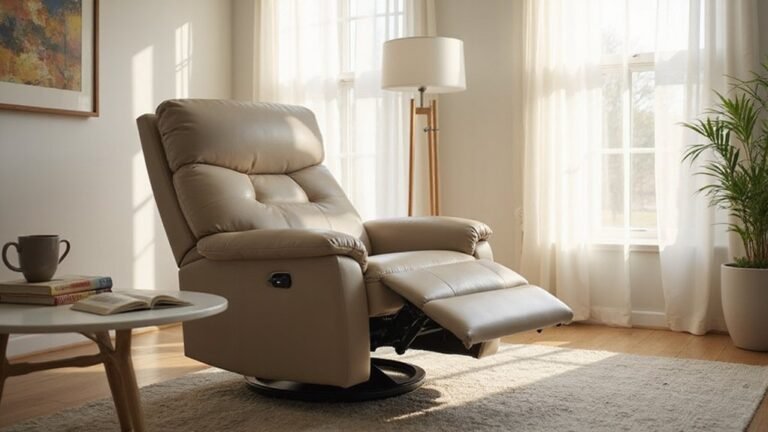
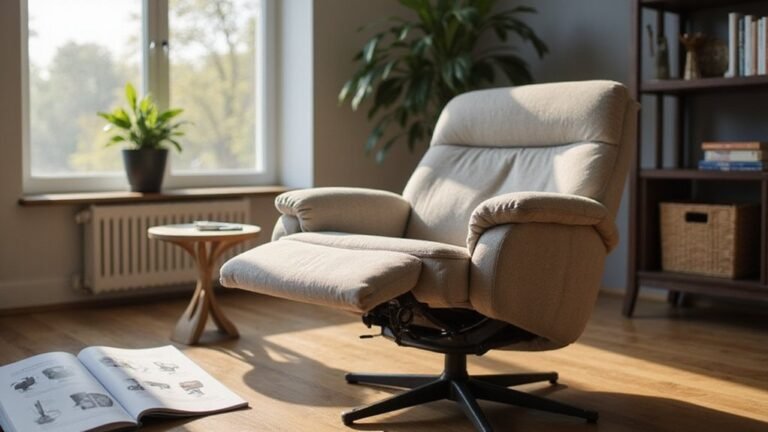
Manual recliners operate using your body weight or a lever to adjust the position. They cost less initially and feature simpler, quieter mechanisms. Typically, they recline within 3 to 5 seconds, providing quick adjustments with minimal effort. If you ever need to move or repair your manual recliner, having a guide for disassembling the frame can be very helpful. Power recliners, on the other hand, rely on an electric motor controlled by a button or remote. They are easier to operate, especially if you have limited mobility, and often include features like USB ports for charging devices. However, they take around “8 to 12 seconds to fully recline” and are generally more expensive. Both types are available in a range of fabric patterns and frame materials, but your choice should be guided primarily by your budget and the features you prefer. A DIY upholstery project can refresh an old recliner of either type on a budget. When choosing, remember that manual models are best suited for individuals who have sufficient strength to operate the lever or latch. Understanding common recliner mechanisms can help you diagnose issues and perform simple repairs yourself.

Fits Most Recliners: replacement pull handle with cable for manual recliner sofa, couch and chair; works with most major brands like Ashley and Lazy Boy. Exposed cable length is 5.1 in from the clip to the top of the Z-hook bend; to the cable sleeve it reads about 4.7 in, to the hook tip about 5.5 in - if your old cable measures anywhere in between, this is the right part.
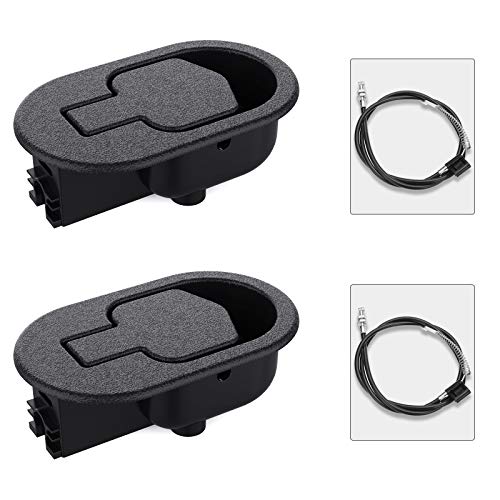
【BARIDWON Recliner Replacement Parts:】 Ideal for replacing worn-out and broken recliner handles and cables. Compatible with most major recliner sofa brands, like Ashley, Lazy Boy and more. (NOTE: Measure your original handles and cables to ensure compatibility before buying)

Match by Size: oval handle face 3.5 by 3 in; exposed cable length about 4.75 in, measured from the buckle to the top of the Z-hook bend; total cable length about 37 in. Compare these three numbers with your original part - sizes vary a lot between models, so measure first.
How to Use a Manual Recliner Correctly
To use a manual recliner correctly, start by positioning your body properly. Place your feet flat on the floor with your knees bent at a 90-degree angle, ensuring they are aligned with your hips. Make sure your back is fully against the seatback for optimal support. To recline, grasp the handle or push bar firmly. In models with push arms, push your arms down while leaning back; in gravity-assisted types, release the side latch and lean back gently. You can stop at any preferred position thanks to the infinite stopping points the mechanism provides. If you encounter resistance and the mechanism fails to move, inspect for and clear any potential mechanical obstructions in the tracks similar to troubleshooting a power seat. You should also inspect for common issues like broken or stretched springs underneath the chair. Proper care for these mechanical parts can help your chair approach the upper end of the average recliner lifespan just like a well-maintained power model. Adjust the padding if needed by consulting the manufacturer’s manual. Always lock all mechanisms securely after adjusting to prevent accidental movement. To keep your recliner clean, avoid spills and use appropriate cleaners based on the upholstery type.
Operating Your Power or Riser Recliner
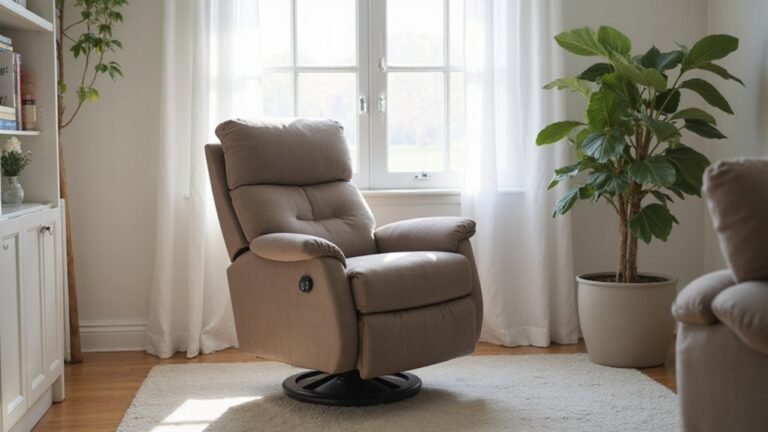
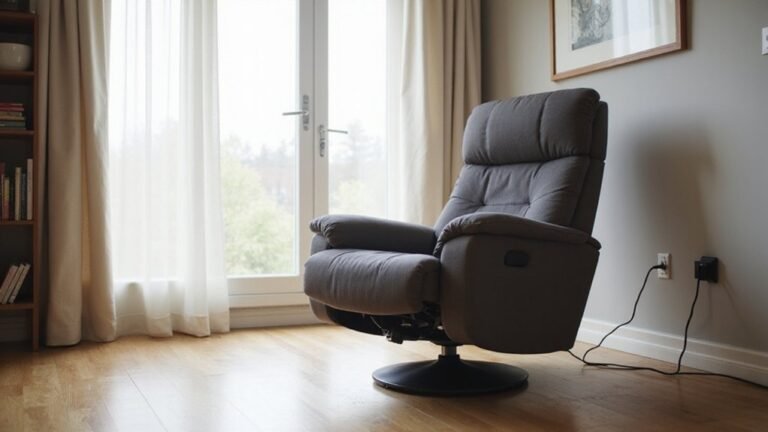
A power or riser recliner is operated using motorized controls connected to a remote or side buttons. To start, plug the cord into a surge protector to prevent power surges from damaging the motor. Use the side buttons: press the front button to extend the footrest and recline the chair. Release the button once you’ve reached your preferred position; the chair will lock into place. To return to an upright position, press the rear button. If you need assistance standing, push the lift button a second time to raise the entire chair smoothly. Always inspect for loose wiring to prevent operational issues and maintain safety. For added safety, ensure your recliner remains stable by tightening loose screws on its base mechanisms.
While recliners can aid certain conditions, prolonged nightly sleep in them can lead to poor spinal alignment and discomfort. Ensure the remote control is properly calibrated for consistent movement. The motor and actuator work together to smoothly adjust your position. For battery-powered models, fully charge the battery for a minimum of seven hours before first use. Afterwards, disconnect the charger and perform regular maintenance charges every few months to keep the battery healthy. When cleaning upholstery, always remove the seat cushion following the manufacturer’s instructions to prevent damage and ensure thorough cleaning. Maintaining the remote control and charging schedule helps keep your recliner operating reliably.

Wide Compatibility: Replace your lift chair remote effortlessly! Designed with a universal 5-pin circular plug, this power lift recliner control works with most brands using a 5-pin connector. Perfect for power lift chairs, medical recliners, and home theater seating

2 Button 5 Pin Connection to the Motor,work for 1 motor

Universal and Durable: CUGLB lift chair remote replacement perfectly fit for most brands that have a straight plug, round 5 pin connector, 2 button with up and down function. good quality, makes it strong and durable
Get Positioned Safely Before You Recline
To settle into your recliner safely, start by sitting deeply into the seat, ensuring your hips are fully back against the cushion. This position aligns your pelvis and maintains continuous contact with the backrest, supporting your lower spine with proper lumbar support. For chairs with dual power motors, you can fine-tune both the backrest and footrest independently for optimal support. Keep your feet flat on the floor to provide pelvic stability and avoid dangling legs, which can increase pressure and strain. Relax your shoulders downward to prevent tension in your neck and upper back. Achieving an ergonomic posture before reclining is crucial: your back should be fully supported and your weight evenly distributed. Use a neck roll to support the natural curve of your neck and prevent misalignment. Before engaging the mechanism, always verify the power supply is securely connected and functioning to prevent unexpected stops. Additionally, avoid twisting your body when sitting down or standing up by moving as a single unit—this helps protect your back from unnecessary strain. Before you begin, ensure the frame assembly is secure by performing a final stability check. Once you’re properly positioned, you can safely recline, knowing your posture is optimized for comfort and safety.
Adjust to Your Perfect Reclining Angle
The ideal reclining angle varies depending on your activity. For focused desk work, aim for a shallow recline between 90° and 105°. This upright position helps maintain good posture and reduces strain on your neck and back. When relaxing to watch TV, a slightly more reclined angle of 100° to 110° offers better neck support and makes screen visibility easier.
For activities like brainstorming or participating in a video meeting, a recline of 110° to VIII> to 120° can provide a comfortable balance between alertness and relaxation. If you’re preparing to take a restorative nap, a recline at or beyond 130° is recommended to help you unwind. For deep sleep, near-horizontal positioning at 150° or more is ideal, mimicking a flat bed.
Test each setting by adjusting your recliner and observing how well it supports your neck, lumbar region, and legs. Preferences can differ widely, so take the time to find the position that feels most supportive and comfortable for each activity. Consider using decorative cord management to maintain a clean and safe aesthetic around your recliner as you adjust. If the handle feels loose or the mechanism fails, you can typically replace the recliner cable yourself with basic tools. Remember, the key is systematic adjustment to discover your perfect angle for every task. For particularly heavy recliners, always lift with your legs to avoid injury when adjusting its position.
How to Return Your Chair to Upright
To return your chair to an upright position, follow these steps. First, locate the manual release lever, usually found on the side near the bottom or inside the armrest, a feature reminiscent of the simple manual peg adjustment used on the pioneering Morris chair. Gently pull this lever to disengage the recline mechanism. While holding it, apply steady pressure to push the backrest forward and guide the footrest down. For a chair you’ve built yourself, this process tests the integrity of your woodworking assembly. Avoid jerking the chair, as sudden movements could strain the internal frame or damage the upholstery, such as the spring clips that secure the back panel. Once the chair is upright, release the lever and check that the backrest locks securely and the footrest stays in place.
Charging and Caring for an Electric Recliner
To keep your electric recliner battery in good condition, it’s important to follow proper charging procedures. Start by disconnecting the existing transformer from the chair’s power port. Then, attach the battery pack by firmly pushing the male and female plugs together until they lock securely. Connect the transformer’s low-voltage side to the battery pack and plug its high-voltage end into a wall outlet. Avoid using extension cords to reduce the risk of electrical issues. Charge the battery every 6 to 8 weeks, allowing it to go through a complete cycle which generally takes 3 to 4 hours until the green indicator light signals that charging is complete. Unlike other brands, you can leave the recliner plugged in during normal use without needing to unplug for convenient charging. Once fully charged, unplug the transformer to prevent overcharging. Ensure that the voltage and current match the specifications required by your chair to maintain long-term battery health. A typical recliner’s motors consume a modest 50 to 150 watts during operation. Periodically inspecting and tightening loose screws on the frame can also prevent unwanted movement and ensure overall stability.

Universal Compatibility for Battery Pack for Reclining Furniture: Our rechargeable recliner battery pack is specifically designed for recliner battery pack rechargeable 2 pin furniture connectors.this universal recliner battery pack rechargeable is perfect for your power recliner, sectional couch, sofa, or recliner chair. Please check your furniture's input before purchasing! (Not compatible with USB, 5-pin, RJ45, or barrel plugs)

【Universal Compatible Battery Pack for Reclining Furniture】The recliner battery can works with almost all reclining furniture brand models that use a 2-prong connection-wireless battery pack for Okin, Limos, Berkline, Flexsteel, Etc.
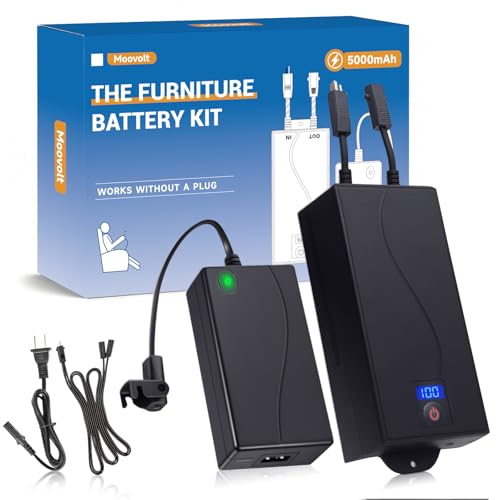
Wide Compatibility: Our universal rechargeable battery pack is engineered for standard 2-pin recliner connectors, ensuring seamless integration with most powered furniture models. Note: Verify your furniture's input specifications before purchase (incompatible with USB, 5-pin, RJ45, or barrel-type connectors)
5 Common Mistakes That Damage Recliners
Avoid overusing your recliner. Applying excessive force to the lever can bend its internal linkages, leading to malfunction. For manual recliners, forcibly pushing the chair upright without disengaging the lock damages the cam system, which is crucial for smooth operation. Additionally, exceeding the weight limit or sitting on the edge repeatedly stresses hinges and weakens the frame over time. Proper use helps extend your recliner’s lifespan.

Durable Design: Made of plastic, lightweight, impact-resistant, and rust-proof. The chair's placement and sitting angle can be easily adjusted.
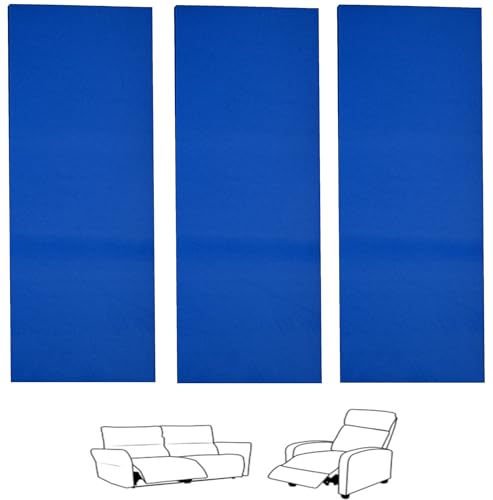
MAKE YOUR RECLINING FURNITURE LOOK AND FEEL LIKE NEW. Fix those uncomfortable ugly sags in your recliner and restore its beauty. SagsAway chair pads are the ultimate sinking or sagging seat saving repair tool

QUICK AND EASY FURNITURE REPAIR: Chair braces provide a cost-effective solution to common chair joint problems, restoring stability to wobbly chairs and tables.
Fix a Stuck Recliner or Common Problem
To fix a stuck recliner, start by flipping the chair over to access its mechanism. Check for loose bolts, broken springs, or a misaligned frame. For power models, inspect the electrical box for damaged wires and locate any reset button. Lubricate all hinges, springs, and joints with a silicone-based lubricant, then operate the handle and footrest to work it in. Avoid using greasy products that can attract dirt and cause more issues. Tighten any loose hardware and replace snapped cables or handles. If your chair is electric, safely disconnect the power and reconnect the motor wires, matching the color-coded connectors. For power recliners that are completely unresponsive, a crucial first step is to test the power supply with a multimeter to confirm it is providing the proper 28-29 volts, as a green light does not always guarantee correct voltage. Finally, test the recline motion, adjust the tension knob if needed, and wipe away excess lubricant for safety and cleanliness.

DuPont Silicone Lubricant with Teflon Fluoro Polymer

Multi-Purpose Lubricant: LIQUIDFIX Door, Lock & Hinge Lubricant offers a complete solution for cleaning and maintaining door hardware, car hinges, stubborn locks, patio tracks, and more

Precision Lubrication, Zero Mess No spray, no spills. Lemenyaa’s needle-tip design lets you apply just the right amount of lubricant exactly where it’s needed—clean, controlled, and efficient.