If your recliner keeps sliding backward, it can make relaxing difficult and even pose safety concerns. Luckily, there are quick and simple fixes to keep your sofa stable.
Whether you want a temporary grip or a more permanent solution, a few easy steps can put an end to that unwanted movement.
Keep reading to find out how you can stabilize your reclining sofa with straightforward methods.
Grip the Floor With Non-Slip Pads and Grippers
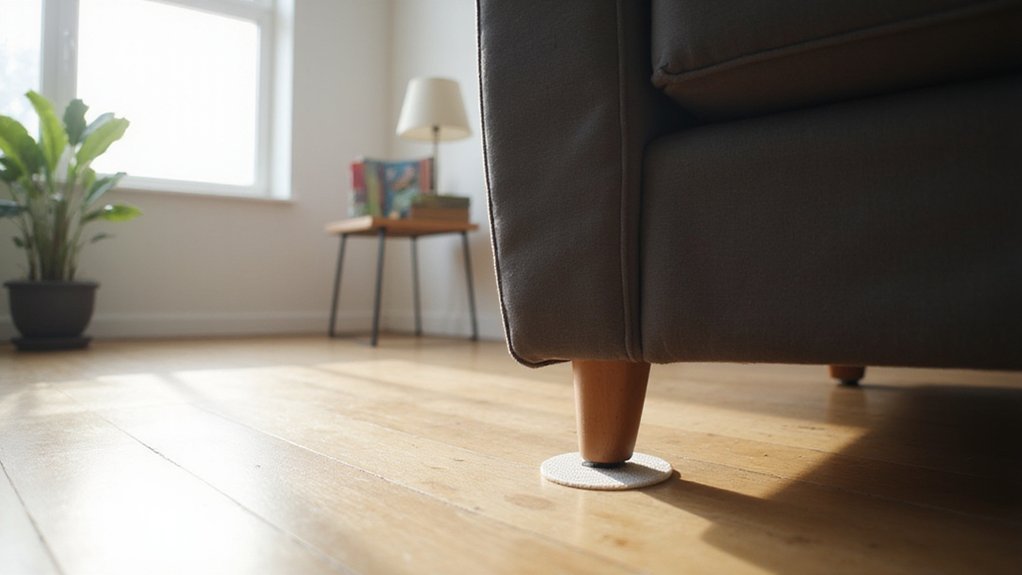
To keep your recliner securely in place, non-slip pads and grippers are highly effective. They create a high-friction contact point between your furniture and the floor, preventing unwanted movement. For hardwood floors, adhesive-backed rubber pads are popular because they provide a durable grip and protect the surface from scratches. Simply peel off the backing and stick them to the chair’s legs. On carpeted surfaces, silicone gel inserts conform to the texture of the carpet, stopping slipping without damaging the fibers. An economical and versatile option is using flexible, oversized rubber strips that can be trimmed to fit any furniture leg and provide secure, adhesive-free protection on most floor types. These grippers are also easy to install—no tools required—and come in various shapes like round for standard legs or square for larger bases. If you ever need to move your sofa for cleaning or repairs, understanding its modular disassembly tips can make applying these pads to the full frame much simpler. Choosing the right type of non-slip pad for your flooring ensures your recliner stays put and safeguards both your furniture and your floors from damage. This stability is especially important for maintaining the precise position of a dual power recliner after you’ve used its motors to find your ideal angle. For recliners that still rock or feel unstable due to internal issues, inspect the reclining mechanism for loose or worn parts.

BEST PROTECTION&ANTI SCRATCH - Place our non slip furniture pads on the legs of your furniture, including couch,beds, tables, chairs, sofas and appliances to provide the best protection for your hardwood floors,wood, laminate or tile floor. And you never have to hear that annoying scraping noise again.

✌ IS THE SOFA MOVING EASY AND INTERRUPTING YOUR REST ON IT? OR MAYBE YOUR CHAIR IS SCRATCHING THE FLOOR? Anti slip rubber furniture pads X-PROTECTOR will keep all furniture in place!

Mighty grip that wont slip – Gorillapad furniture grippers by Slipstick are the universal solution to stop unwanted movement or sliding of furniture / objects and effectively protect hard surfaces from scratches or damage. Premium adhesive non slip furniture pads easy to install, simply clean surface, peel and stick on.
Create Custom Traction With Cut-To-Size Rubber Liners
To create a custom traction solution with cut-to-size rubber liners, you will need a high-density rubber material that provides excellent grip on wood or tile surfaces. Measure the dimensions of your sofa’s leg bases, which can be square, rectangular, or L-shaped, to determine the size of your liners. Before starting, check the chair’s structural integrity to ensure a stable foundation for this and any other furniture restoration projects. This is similar to the important step of checking for spring clip brackets before attempting any disassembly on recliner mechanisms. Use sharp tools like a utility knife or scissors to cut the rubber accurately, ensuring clean edges. This low-energy task is a small project, much like an electric recliner’s motors which draw minimal power only when activated. Round the corners of each liner to prevent lifting and curling over time. For a more permanent installation, optional peel and stick adhesive is available to fix pads securely in place. Place the gripper side of each liner directly on a clean floor surface, with the textured side facing down, for maximum friction. No adhesives are necessary, as the rubber’s own grip maintains a stable, custom anchor point, resisting moisture and heavy loads across many movement cycles. Proper installation precision—cutting accurately and rounding corners—ensures the liners stay secure and effective.

PROFESSIONAL QUALITY NEOPRENE - Our neoprene sheet is crafted from solid rubber that boasts a smooth surface on both sides, without any adhesive backing. Experience the confidence of professional-grade rubber gasket material for your projects.
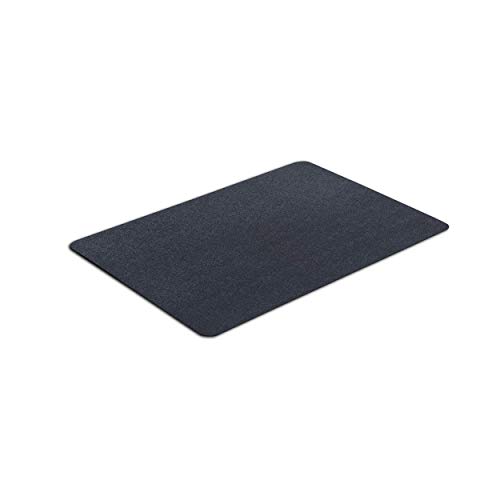
PROTECT FLOORS: Safe to use on any hard floor or carpeted surface to protect against messes and spills.

Heavy Duty Commercial Grade Floor Mat Set: Contains Two (2) IRONGATE Prep Anti-Fatigue Drainage Ramp Rubber Floor Mats in Black, each measuring 24 inches x 36 inches.
Lock It in Place With a Heavy Rug or Pad
This method also protects your floor by reducing scratches and wear. On smooth surfaces, a high-quality non-slip pad can prevent up to 95 percent of slippage, making it highly effective. This simple preventative measure aligns with the best practices for extending its lifespan. Before placing any rug or pad, ensure you perform a thorough inspection of the wiring to avoid pinching or damaging power cords. You can further enhance your room’s tidy look by running any nearby power cords through decorative cord covers to eliminate clutter. Regularly inspect and clean the bottom layers of the rug and pad to maintain their grip over time and ensure long-term stability.
Stick It Down With Velcro or Double-Sided Tape
To prevent a recliner from shifting on a heavy rug, stick it down directly using high-strength Velcro or double-sided carpet tape. Start by preparing the surface properly. Clean the leg soles and the floor area thoroughly, ensuring both are completely dry, much like the careful spot test recommended before cleaning upholstery. For textured floors, lightly sand the base of the chair’s legs to improve adhesion. When choosing an adhesive, consider the compatibility with your flooring and the weight of your recliner. Use industrial-grade Velcro on hard, smooth surfaces, or opt for rubber-infused double-sided tape for delicate or softer flooring. This is a cheap and readily available solution for furniture that moves, which is especially helpful to avoid straining the chair’s internal motorized mechanisms during use. If your recliner has been converted from a manual to an electric model, securing it can also help protect the installed power actuator and motor drive. Apply strips to each leg firmly, then press the recliner down into place, ensuring perfect alignment. Test the stability by sitting in the chair. Keep in mind that the adhesive will weaken over time, so periodic replacement of the tape or Velcro is necessary for continued security.

FOR TOUGH APPLICATIONS: Heavy duty VELCRO Brand strips with adhesive securely fasten to smooth surfaces including plastic, metal, painted wallboard

UV AND WEATHER RESISTANT TAPE - Extreme outdoor mounting tape is water and UV resistant to keep mounted items firmly in place during rain, snow, or sweltering heat. Measures 14ft x 1in
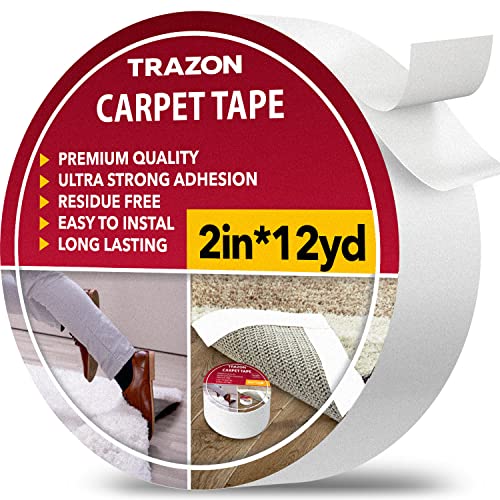
Hot Melt Technology for Extra Sticking Power. Get a rug holder that will finally do its job! Our hot melt double stick carpet tape is highly adhesive compared to acrylic tapes. It offers an outstanding holding power to fix your rugs, runners, carpets, or other stuff you want to keep in its place. Because of increased tensile strength, our two sided carpet tape will be doing its sticky job for 6 months and more.
Block Backward Movement With DIY Wall Stops
To block your sofa from shifting backwards, install simple wooden stops against the wall. Start by creating these stops for the rear legs: trace a rear leg onto cardboard and cut out a template. Use this to cut a wood block that matches the shape, notching it for a snug fit. Next, measure the gap between the back of your sofa and the wall precisely, then cut dowels to this length. Place these dowels on each side of the sofa to prevent it from reclining too far backward. You can also pad the rail with a yoga mat to prevent it from sliding and causing wall damage. Position your custom-contoured wood blocks between the rear legs and the wall to act as physical stops. For those who also own an electric recliner, it’s wise to consider models with a manual override feature for use during power outages. The process is similar to accessing the frame for repair, like when you need to remove the back panel on a recliner, and may require simple troubleshooting of the power supply first. Finally, attach felt pads to the bottom of the blocks to protect your floor from scratches. This combination of notched stops and dowels effectively anchors your sofa in place without damaging your flooring.

[Perfectly Sized for Sofas & Armchairs] Stop losing remotes, pet toys, and treats in the "black hole" under your furniture. MOHOLD’s 8-pack provides 126 inches of coverage, ideal for a standard 3-seat sofa or multiple armchairs, ensuring your living room stays tidy and organized.

Complete Set of Two for Effortless Solutions: Our sofa bed stoppers come as a convenient pack of two, crafted from durable wood to provide a comprehensive and cost-effective fix for your home furniture needs. This ready-to-use bundle ensures you have everything required for seamless adjustments in one purchase.

Stops Wall Damage Before It Starts – Keeps sofas, beds, headboards, cabinets, and other furniture from rubbing against walls, helping prevent scuffs, dents, paint marks, baseboard damage, and fabric wear.