Wondering if you can still operate your electric recliner during a power outage? The good news is that many models have a manual backup feature that allows you to adjust the chair by hand.
Knowing how to access and use this option can be a real lifesaver when the power goes out. Keep reading to learn the simple steps and safety tips for handling your recliner without electricity.
First, Rule Out a Simple Power Issue: Troubleshooting Steps
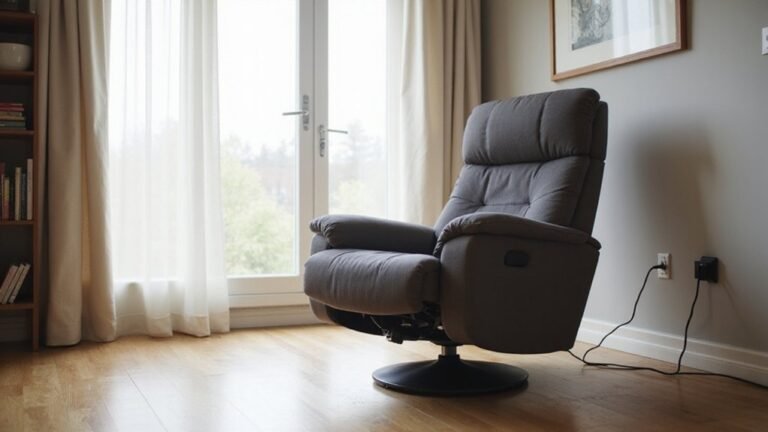
Start by ruling out a simple power issue. Ensure your power cord is firmly connected to the wall outlet. Verify that your circuit breaker hasn’t tripped by checking the breaker box. Test the outlet with a lamp or another device to confirm power is available. Make sure all plugs are seated completely until you hear a click. Inspect cables such as the 2-pin lead and 5-pin connector for fraying, breaks, or other damage. Avoid using extension cords to power the motor, as they can interrupt the flow of electricity. If your device has a transformer with an indicator light, look for a green signal, which usually indicates that power is present. For a more precise check, you can use a multimeter to verify the correct voltage output from the power supply. Often, the problem is just a simple power connection issue that’s easy to fix. Using a surge protector is an important preventative measure to guard electrical components against power surges. If troubleshooting confirms a deeper mechanical fault, you may need to access the internal components by carefully disassembling the frame. If you hear squeaking during manual operation, applying a lubricant like silicone spray to pivot points can often quiet the noise.
Does Your Electric Recliner Have a Manual Override? How to Check
Your electric recliner often has a manual override, but to confirm, start by checking your owner’s manual—it’s the most reliable source for your specific model. If you don’t have the manual on hand, look for product specifications online or on the manufacturer’s website, as they often list the presence of a manual release feature. Keep in mind, not all recliners include this feature; some rely solely on backup batteries.
To physically find the manual override, examine the armrest and the area underneath the chair near the base. Look for a hidden fabric flap or a pull tab. The motor housing area is also a common spot to hide the manual release, which typically disengages the electric motor from the gear mechanism to allow manual adjustment. If you see a lever or strap, your recliner likely has a manual override. For any upholstery you need to move or reattach, basic upholstery techniques like removing staples or loosening fabric panels may be necessary to fully access the mechanism. Before proceeding, you may want to check the power supply as part of a basic diagnostic, ensuring the issue isn’t just a simple electrical problem. Be cautious not to force any parts if you’re unsure—forcing a mechanism could damage internal components.
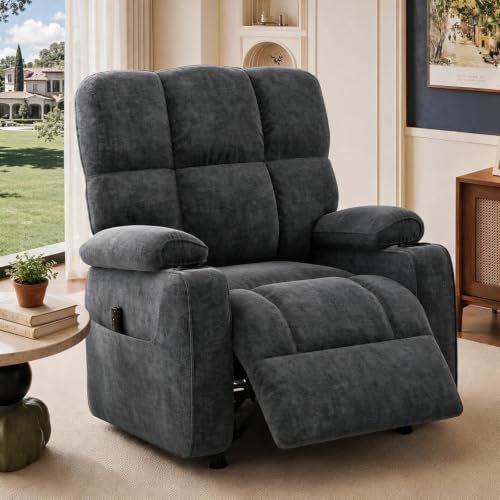
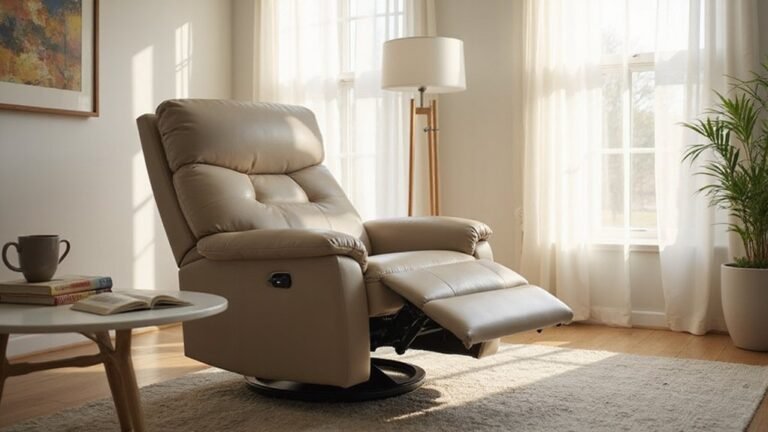
Electric Adjustment: One-touch remote control allows for smooth, quiet adjustment to any recline angle between 90° and 150°. No manual pushing required—find your perfect position effortlessly on this power reclining chair. Ideal for small spaces, guest rooms, or home offices
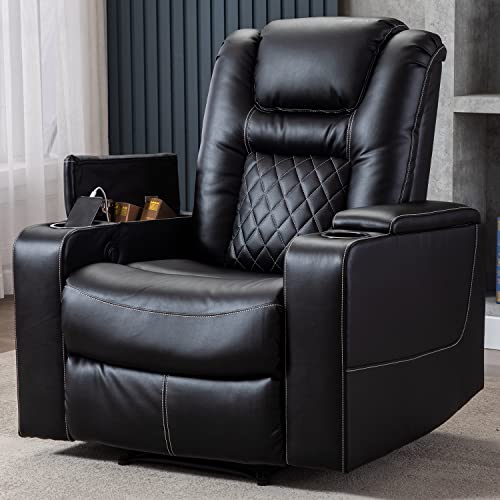
Overall Dimensions: Kindly please confirm the size before buying. Measure 36"W x 35"D x 41"H, Seat Dimensions - 23"W x 23"D, Seat Height - 19", Weight Capacity - 350 lbs.

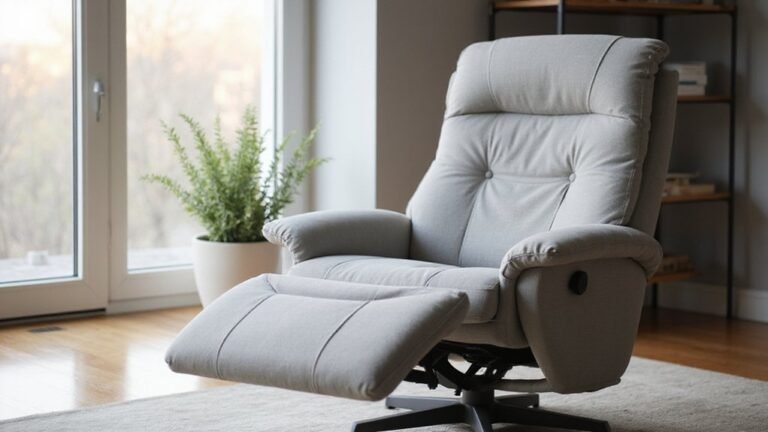
Overall Dimensions: Kindly please confirm the size before buying. Measure 37"W x 37"D x 41"H, Expanded Length – 65", Seat Dimensions - 22"W x 20"D, Seat Height - 19", Weight Capacity - 350 lbs.
How to Find and Use the Manual Release Lever or Cord
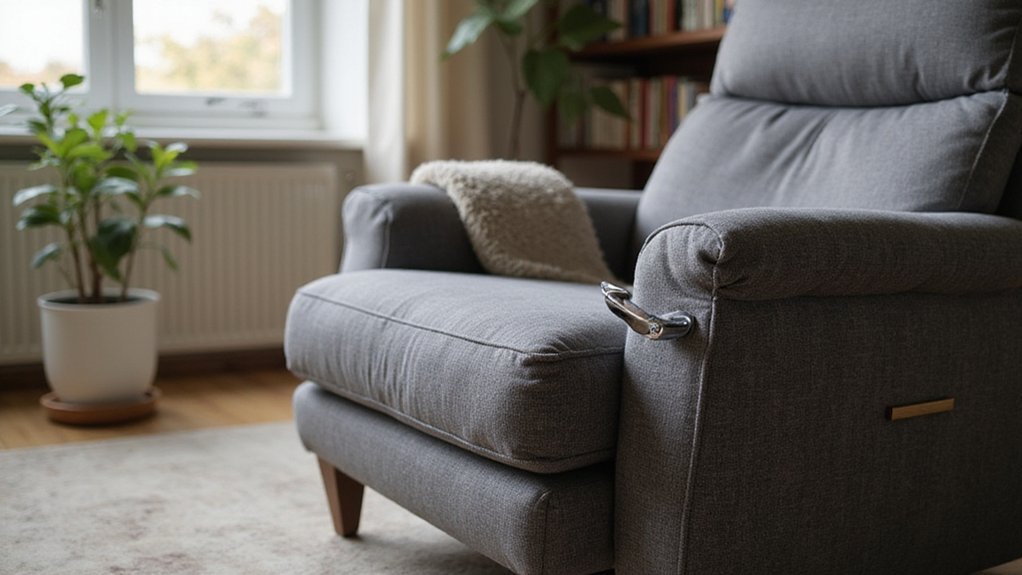
To locate your electric recliner’s manual release lever or cord, start by inspecting the armrest base or beneath the seat cushions. These components often conceal a small lever or fabric loop cord. Remove or lift the seat cushion if needed to access the mechanism underneath. This is similar to accessing zig-zag springs for repairs on a traditional recliner. Be thorough—check the side panels and along the bottom edge of the backrest, as some levers are mounted on the underside of the footrest. This manual operation is particularly useful during a power outage or if you wish to place the chair away from an outlet. Once you find the release, engage it carefully. If it’s a fabric loop cord, grip and pull gently; if it’s a lever, move it as instructed. Apply steady, controlled pressure to disengage the motorized actuator, ensuring you hold the footrest steady to prevent resistance that could damage internal components. The process requires basic tools like a screwdriver and pliers, making it a straightforward DIY repair. Before proceeding, always unplug the chair as a necessary safety step.
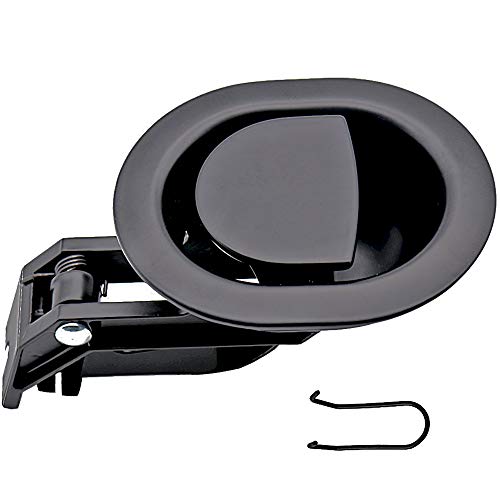
【Universal Recliner Part】Couch release handle size is 3.5" by 3", This Recliner handle replacement is a universal part found in Ashley Furniture and most recliner brands.
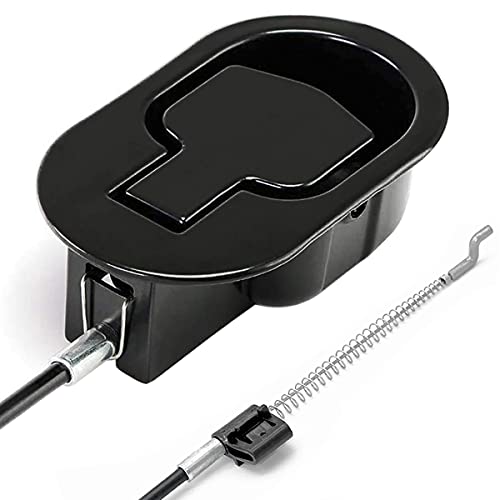
【Universal Recliner Part】Universal recliner replacement handle with long cable fit Most major furniture and recliner brands, such as Ashley, Lazy Boy.

【Universal Recliner Part】Couch release handle size is 3.5" by 3", This handle replacement with cable is a universal replacement part found in Ashley Furniture and most recliner brands.
Critical Safety Tips for Manually Operating Your Recliner
If you need to manually operate your recliner during a power outage, there are several critical safety steps you must follow. First, ensure that the power source is completely disconnected to prevent electric shock. Before handling the manual release lever, inspect the power cord for any signs of damage, such as fraying or exposed wires. Some models mark the manual release lever with specific engraving techniques for tactile identification; check for these markings to locate it accurately.
Visually confirm that the area around the recliner is clear of obstructions to avoid tipping or injury during operation. When using the release lever, apply gentle, steady pressure—avoid forced movements that could damage the mechanism. For a better understanding of common mechanical issues, learning to inspect the recliner cable can be valuable before applying pressure. Also, check the footrest for debris or objects that could interfere with proper movement. In some cases, you may need to locate and press a hidden reset button using a tool like a paperclip to restore functionality.
Manufacturers often design manual release levers with high-contrast colors to improve visibility, leveraging color psychology to attract attention and aid quick identification. Always keep children and pets away from moving parts during manual operation to prevent accidents. Lastly, avoid sitting on the footrest during adjustments, as this could cause sudden movements that might lead to injury. For optimal mechanical upkeep, regularly lubricating moving parts can help ensure smooth manual operation.
What to Do If Your Recliner Lacks a Manual Override?
If your recliner lacks a manual override, you are generally stuck in its current position until power is restored. The motor’s engagement physically locks the mechanism in place, preventing manual adjustment. For safety reasons, do not attempt to force or pry the mechanism, as this could cause severe internal damage. Your best course of action is to troubleshoot the power supply. Start by unplugging the recliner for at least thirty seconds to reset its control board. Then, inspect the power cord for any visible damage and verify that the outlet functions properly by testing it with another device. Also, check for debris or obstructions around the recliner’s mechanism that might prevent movement. To effectively clear any jams, you may need to remove screws or clips to access the mechanism for a thorough inspection. DIY guides often simplify projects by using a removable armrest design for easier access to internal components. If these steps do not resolve the issue, it’s safest to wait until power is restored or seek professional repair. If your recliner still does not operate, you may need to remove the back panel to inspect the internal connections and locking brackets. For a more reliable long-term solution, consider replacing your recliner with a model that includes a manual override. This feature ensures you can adjust the recliner even during power outages, maintaining both your comfort and peace of mind without compromising the chair’s aesthetic appeal or material durability.
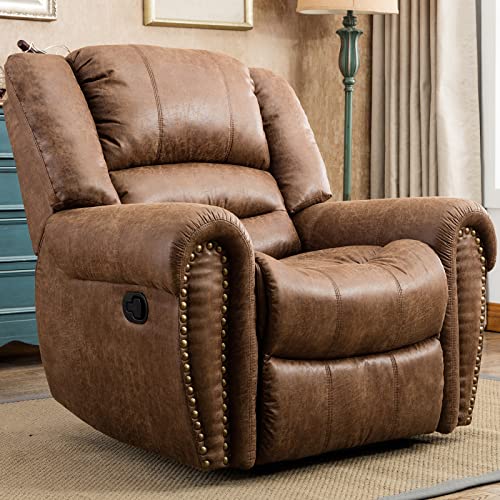
✿Overall Dimensions: Kindly please confirm the size before buying. Measures 40"W x 37"D x 41"H, Expanded Length – 65", Seat Dimensions - 22"W x 20"D, Seat Height - 18", Weight Capacity - 350 lbs.


This is universal oval 2 button 5 pin power recliner switch replacement with USB type A and C port
Step-by-Step: Manual Reclining During a Power Outage
If the power goes out, you can manually operate your electric recliner if it has a manual override feature. Start by locating the release, which is usually discreetly integrated into the design—check beneath the seat or along the chair’s base for a pull tab or lever. Gently pull this release to disconnect the motor. Once disengaged, apply steady body weight to avoid damaging the internal mechanisms. Carefully push the backrest downward to recline, respecting the upholstery’s comfort, and lift the footrest manually. It’s best to do this in two steps: often, you should first disengage the footrest before adjusting the backrest. Always unplug the chair before manual operation to prevent cable stress, and use gentle force to prevent damage while repositioning the chair to your preferred angle. For a smooth manual operation, it helps to be familiar with the chair’s mechanical components like the metal arms and slide-lock gadgets. These components are part of the dual power mechanism that normally operates via independent motors. A proper chair fit, ensuring correct seat depth to support your posture, will also make manual repositioning safer and more comfortable. Before troubleshooting manually, double-check your circuit breakers to ensure the issue is truly a power outage and not a tripped breaker in your home.

Match by Size: oval handle face 3.5 by 3 in; exposed cable length about 4.75 in, measured from the buckle to the top of the Z-hook bend; total cable length about 37 in. Compare these three numbers with your original part - sizes vary a lot between models, so measure first.

【Solve Your Troubles】:If you often due to the recliner handle is too short to adjust the recliner feel annoyed, then our this recliner pull handle extension is the perfect solution to your problems,This recliner chair handle increases the length and width of the handle, allowing you to adjust the recliner more easily and comfortably.

Selected Materials: This sofa recliner lever handle is made of aluminum, not easy to deformation, very wear-resistant. More durable than plastic handles.
Restoring Normal Electric Function After Power Returns
Once the power is restored, start troubleshooting your electrical connections to ensure safety and proper function. First, confirm the wall outlet is live by plugging in a lamp or another known working device. If the outlet isn’t providing power, check your home’s breaker panel for any tripped switches and reset them if necessary. Inspect the entire length of your power cord for visible damage like cuts or frays; replace the cord if you find any signs of wear.
Next, verify that your recliner’s transformer LED indicator is green, indicating normal operation. A red or dark LED may mean the transformer needs replacing. Reconnect any internal wiring connectors you may have loosened during manual adjustments or inspections. You can use a voltmeter to check if the power supply delivers sufficient voltage for the chair’s motors. The required voltage powers motors that typically consume between 50 and 150 watts depending on the model’s features.
If your recliner has a battery backup system, ensure the battery is charged and correctly connected. A fully charged battery can support functions if the main power fails again. For any issues with physical stability after the chair is powered, inspect the reclining mechanism for loose screws or worn parts. Regular checks like these will help maintain safe and reliable electric operation of your recliner after power is restored.
Buying Guide: Features for a Power-Outage-Friendly Recliner
A power-outage-friendly recliner should include a dedicated battery backup system, which requires regular battery maintenance to ensure it holds its charge. It’s important to understand the chair’s power consumption; standard reclining functions use minimal watts, allowing the backup power to last longer during outages. Look for a model with a clearly marked manual release lever, giving you a physical override to operate the recliner when the batteries are depleted. For greater independence, select a recliner with electrical features that enable operation without a constant wall outlet, such as rechargeable or portable power options. Lastly, evaluate safety features like accessible controls and clear emergency pathways to prevent accidents and make recovery easier during a blackout. These features ensure you remain comfortable, safe, and in control when the lights are out.

【Universal Compatible Battery Pack for Reclining Furniture】The recliner battery can works with almost all reclining furniture brand models that use a 2-prong connection-wireless battery pack for Okin, Limos, Berkline, Flexsteel, Etc.

Universal Compatibility for Battery Pack for Reclining Furniture: Our rechargeable recliner battery pack is specifically designed for recliner battery pack rechargeable 2 pin furniture connectors.this universal recliner battery pack rechargeable is perfect for your power recliner, sectional couch, sofa, or recliner chair. Please check your furniture's input before purchasing! (Not compatible with USB, 5-pin, RJ45, or barrel plugs)

Go Cordless & Place Your Recliner Anywhere: No need to keep your recliner next to a wall outlet anymore. This battery pack for reclining furniture provides reliable cordless power for recliners, lift chairs, and reclining sofas, while the power recliner battery pack design helps create a cleaner, more flexible living space. Enjoy your favorite chair anywhere you want—perfect for relaxing, reading, watching TV, or spending time with family.