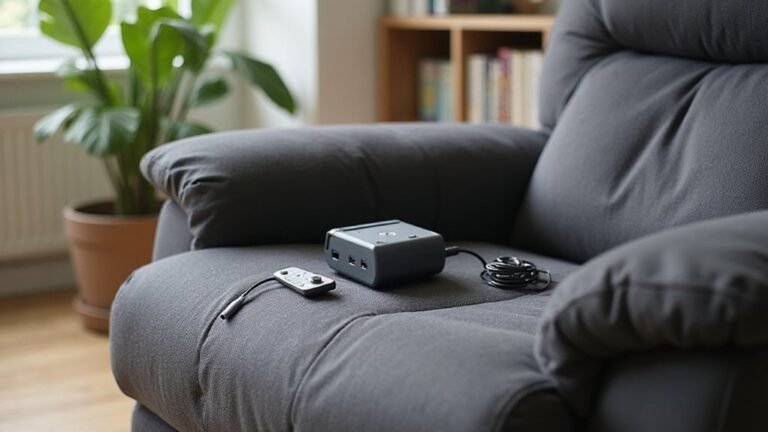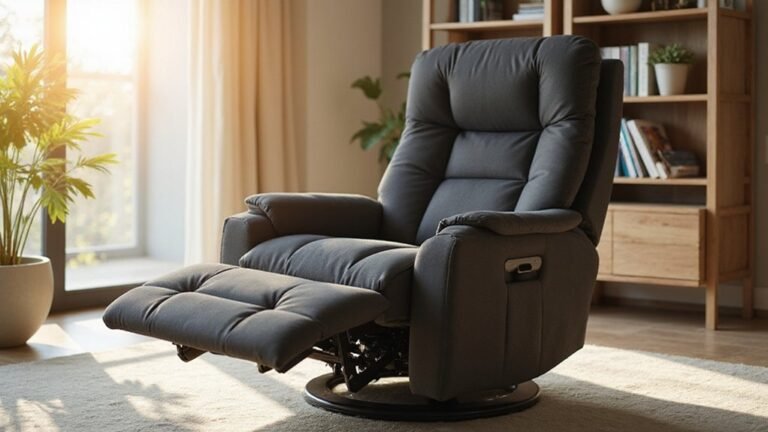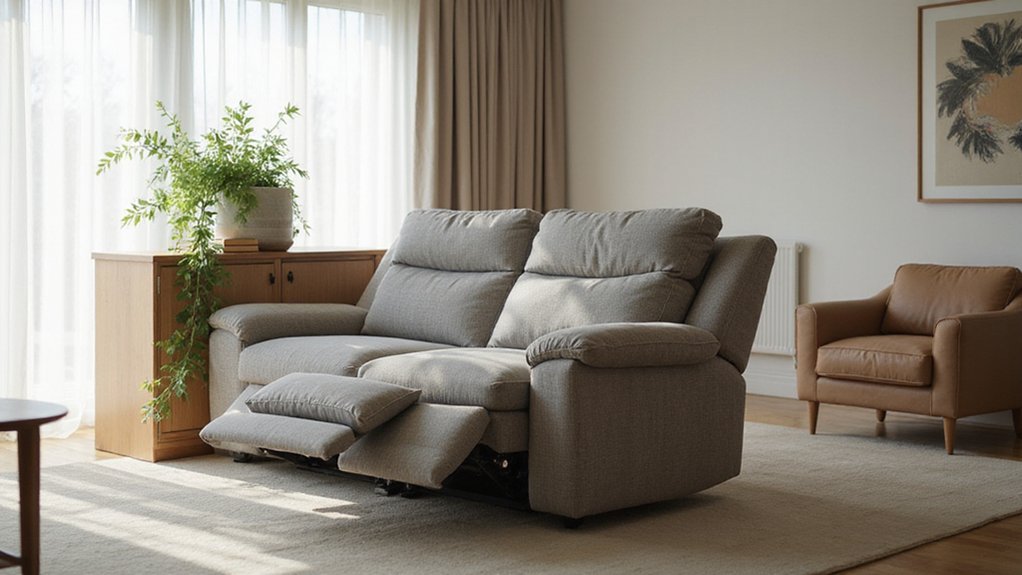
If you’ve ever wanted to hide the back of your reclining sofa for a cleaner look or to better suit your space, you’re not alone. There are simple, stylish ways to conceal it while keeping your comfort intact.
From using decor to creating natural screens, the options are versatile and easy to customize. Keep reading to discover effective ideas that can transform your living area.
Drape Decorative Throws to Soften and Hide the Back
To effectively soften and hide the back of your reclining sofa, drape a decorative throw that extends at least twelve inches below the seat. This length helps anchor the look and conceal the mechanical frame. Choose a throw matching the sofa’s back width to ensure it drapes neatly without bunching. When selecting your material, opt for breathable fabrics like cotton to prevent heat buildup or go for heavier wools and chunky knits for natural, non-floating drapes. For a secure fit that accommodates moving parts, you can add elastic straps underneath to anchor the throw in place, similar to the method used for a snug recliner cover installation. Consider the texture and color of the textile to coordinate with your room’s palette, creating a cohesive appearance. For styling, fold the throw lengthwise, center it over the top edge of the sofa, and let the ends hang evenly down each side for a clean, symmetrical finish. It is important to ensure any modifications, including securing a new base, are completed before finalizing decorative elements to guarantee safety and stability.
Start With a Slim Console Table Behind Your Sofa
A slim console table placed directly behind your reclining sofa can effectively conceal the mechanical back while providing extra storage. To ensure functionality without hindrance, opt for a table that is one to two inches lower than the sofa back. Keep the depth under ten inches so the sofa mechanism can tilt freely without obstruction, avoiding mechanical misalignment. Position the table flush against the wall to maximize floor space. This placement completes the look behind the sofa while creating a useful division in your space.
Choose a visually lightweight design, such as one with a lucite top or thin legs, to keep the overall look airy. Maintaining the longevity and comfort of your furniture, including the sofa, often involves simple DIY repairs for common issues like sagging seats. Before you consider a costly replacement, you can often troubleshoot and fix the problem yourself by diagnosing issues like a failed power supply or a stuck mechanism. Style the console with a statement lamp, stacked books, and a basket for remotes to create a cohesive aesthetic. Focus on coordinating colors with your sofa and incorporating textured materials to add visual interest and depth. This setup not only enhances storage but also maintains a sleek, unobtrusive profile behind your sofa.

【Make Narrow Spaces Useful Again】 Designed for tight spaces, this 5.9"-wide slim behind couch table fits neatly into small gaps and brings extra order to your living room. Great for placing your phone, drinks, or a small lamp—keeping essentials within reach without taking up extra space.

Narrow Sofa Table with Charging Station: The 70.9'' console table with outlet comes with built-in 2 plug outlets, 1 USB port, 1 type-c port and a 59"power cord. The table top panel can be rotated, you can choose to place the power strip on the side or in the middle of the table as needed. With all the functions required for charging, the sofa tables narrow long is ideal for your mobile phone, laptop, lamps and other electronic devices

Note: Total Length: 78.8 inches — Made by combining two 39.4-inch sofa tables.
Secure Furniture and Decor for Safe Reclining
Securing surrounding furniture and décor is essential for safe recliner operation. First, prioritize furniture stability by anchoring your recliner directly to wall studs with anti-tip straps or L-brackets. This prevents the risk of tipping over during use. Before you begin any anchoring project, it is wise to check the chair’s structural integrity to ensure it can securely handle the modification. When inspecting, pay close attention to any loose screws and bolts that could compromise the anchor points. Next, implement childproofing measures across the entire room: keep remote controls, toys, and small objects off high surfaces to discourage climbing. Install anti-tip devices on any nearby dressers or ranges to prevent tipping if leaned on. Additionally, ensure all glass-top tables feature tempered, safety glass to minimize shattering hazards from accidental impacts. For certain models, you can prevent internal damage by learning how to safely disassemble a recliner to access the main frame. Always supervise children and pets during recliner use, and lock the footrest when not in use to prevent entrapment or unintended activation.
Place a Low Bookshelf to Combine Storage and Disguise
Placing a low bookshelf behind your reclining sofa provides an effective way to disguise its functional back while adding valuable storage. Opt for a unit between 24 and 30 inches in height that spans the width of your sofa. This size ensures the bookshelf integrates seamlessly without obstructing the recliner’s movement, with a 3-inch clearance to allow full operation. Secure the bookshelf to the wall to enhance safety and stability. If you need to disassemble the sofa for moving, you will appreciate having already detached the armrests to simplify the process. Choose a design with adjustable shelves and closed cabinets for versatile storage, perfect for organizing remotes and miscellaneous clutter. Coordinate the bookshelf’s finish with your upholstery to create visual harmony within the room. To enhance style and functionality, add symmetrical decorative objects or vertical stacks to draw the eye. Installing discreet shelf lighting not only highlights special items but also adds ambient glow, diverting attention from the sofa’s back and making your space both functional and inviting. Keep basic tools like a Phillips screwdriver handy for any simple adjustments you might need to make. With proper care of its motorized components, you can enjoy your recliner’s convenience for many years to come.
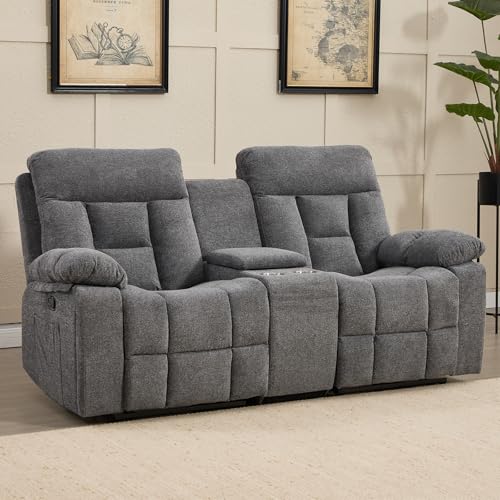
【Manual Recline & Ergonomic Support】:The user-friendly manual reclining mechanism allows you to smoothly adjust the backrest for activities like watching TV, reading, or napping. Coupled with an ergonomically contoured backrest, this recliner delivers optimal lumbar support to promote healthy posture and relieve back fatigue throughout the day.

Premium Faux Leather Upholstery: The EBELLO recliner is expertly upholstered faux leather, designed to mimic the texture and appearance of genuine leather. Not only does it provide a luxurious aesthetic, but it also offers ease of maintenance

Bonded Leather Upholstery: Crafted with high-quality bonded leather, this reclining sofa set exudes sophistication and elegance. The material is not only stylish but also durable and easy to maintain, ensuring a long-lasting fresh look.
Use Tall Plants and Greenery to Camouflage the Back
Tall plants and greenery can effectively camouflage your sofa’s back by creating a lush, natural screen. Choose species like Fiddle Leaf Fig or Snake Plant for their tall, upright growth and dense foliage. Arrange multiple pots in layered rows or a zigzag pattern behind your sofa to maximize visual coverage. Incorporate plant layering by mixing tall and medium-height plants to build a full, bushy backdrop. When working behind furniture, remember to wear eye protection to safeguard against dust or debris. Clustering plants in groups will enhance the mini-grove effect, making the screen appear more natural and cohesive. For easier maintenance and flexibility, mount pots on rolling caddies so you can reposition them as needed, and consider hiding the power recliner’s wiring within or behind these mobile planters for a cleaner look. Ensure each plant has ample root space and regular watering to keep the greenery thriving. When moving your mobile planters to access wiring or adjust the room layout, always check for obstacles around the recliner to prevent damage to your furniture or greenery. The range of leaf textures and heights will help obscure the sofa’s back with an attractive, natural look.
Hide the Back by Drawing Eyes Upward With Art
To draw attention upward and camouflage a bulky sofa, hang a large statement piece about ten inches above the back of your recliner or sofa. An oversized, vertically oriented artwork creates an immediate visual lift, pulling the eye upward. For a more dynamic look, consider creating a gallery wall with three to five pieces arranged in a horizontal line. Use a gallery wire system to allow flexible, easy adjustments, mounting the art’s center approximately 57 inches from the floor. Selecting artwork with strong vertical elements like tall trees or repeating patterns enhances the perception of height, effectively redirecting focus from the sofa’s silhouette to your curated wall display. To ensure harmony, select artwork that matches your room’s overall design style and material texture. This technique works well even with power recliners, which can have a pronounced mechanical profile, and is particularly effective for chairs offering independent back and footrest adjustments through their dual motor system.
Install a Decorative Room Divider for Full Concealment
Positioning a decorative room divider behind your recliner completely conceals its back and adds style to your space. Choose options like small folding screens or fabric panels with bold patterns that match your decor. Ensure you leave at least 10 to 15 inches of clearance for standard reclining movement, or just 3 inches if you have a wall-hugger model. For maximum stability and safety, always perform a thorough final stability check after positioning any furniture near your recliner. Select durable materials such as bamboo slats, which resist wear over years, or metal frames that can last over a decade, aligning with the 7 to 15 year lifespan of a quality recliner sofa. Consider how lighting interacts with your divider; etched glass inserts or wooden lattices create beautiful effects with ambient light. This freestanding solution offers full concealment, protects your wall, and provides a stylish alternative to permanent installation.

Japanese-inspired room divider for creating privacy in small spaces, lightweight but stable frame made of wood with black finish

4-panel room divider constructed of pine wood, MDF and nonwoven construction, gold tone finished frame

STYLE: Kamal - Antique White Handcrafted Wood Room Divider Screen. The screen has 4 panels and measures 72x80 Inch. All panels are .75 inches thick. The total weight is 50 pounds.. Kamal means lotus in Hindi and this design is in honor of the beautiful lotus flower. So if you are seeking a room of flowers, or a unique design, bring the Kamal into your life.
Blend Function and Style With a Narrow Bench or Ottoman Line
Using a line of 3 to 4 narrow benches or ottomans can effectively conceal your reclining sofa’s back while providing additional seating or storage options. Aim for a bench depth of 12 to 14 inches, with at least a 2-inch safety space behind the sofa to ensure full recline. Choose ottomans with solid hardwood frames and stain-resistant fabrics for lasting durability. For cohesive color coordination, opt for neutral tones like navy or charcoal gray for your ottomans. Matching the fabric patterns of your ottomans to your existing throw pillows enhances the room’s visual harmony.
Position the line of ottomans about 6 inches behind your sofa to optimize space utilization and maintain easy access. Incorporating removable storage baskets inside each ottoman adds practicality, especially in smaller living areas. This arrangement not only hides the sofa’s back but also maximizes seating and storage without cluttering the room.

Heavy-Duty Support: Built with thick MDF panels for strong structural support, this storage ottoman bench holds up to 660 lbs. The cushioned top features high-density foam and breathable linen fabric, providing a comfortable seating experience

HIDDEN STORAGE: Removable tops allow you to effortlessly store cushions, pool toys, gardening supplies, and more inside this set of ottomans

[Refined & Robust] Crafted from linen-look fabric, this storage ottoman features neat stitching and a refined aesthetic. Built with thick MDF panels and reinforced with metal corner guards on the lid, it has a max. static load capacity of 660 lb (300 kg)
Choose a Custom Slipcover for a Perfect, Built-In Look
Accurate measurements are essential for a custom slipcover to fit your recliner perfectly. Start by measuring the back width from the outer armrest edge to edge. This dimension should fall between 63 and 91 inches to ensure compatibility. Confirm that your armrests are even and lower than the back, as this affects the slipcover’s drape and appearance. Be sure to exclude any side handles from your measurements to maintain accuracy.
Use a flexible measuring tape for precise results, and take measurements at multiple points to account for any irregularities. To ensure your custom slipcover stays secure and looks seamless, opt for a thick, washable velvet fabric with non-slip technology. This material helps hide structural flaws and keeps the cover in place during reclining. Before contacting support for your order, photograph your sofa from different angles alongside all measurements. This visual record helps ensure your slipcover is made to fit your recliner exactly.
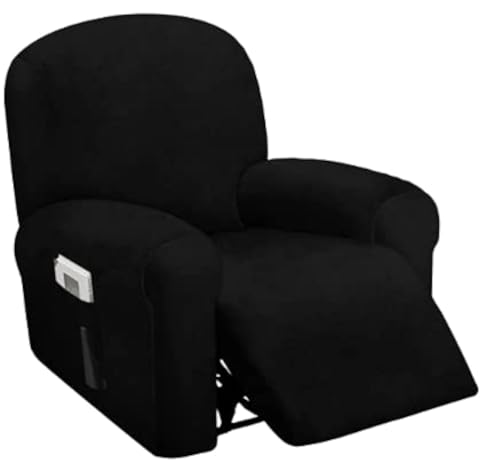
HIGH QUALITY MATERIAL: This innovated 4 Pieces single seater recliner cover is crafted from luxurious velvet plush fabric, and is very soft, comfortable and sturdy ULTIMATE DECORS Recliner cover are as close to custom.

HIGH QUALITY MATERIAL: This innovated 6 Piece love seat reclining 2 seater cover is crafted from luxurious velvet plush fabric, and is very soft, comfortable and sturdy ULTIMATE DECORS Love seat covers are as close to custom.

HIGH QUALITY MATERIAL: This innovated 4 Pieces single seater recliner cover is crafted from luxurious velvet plush fabric, and is very soft, comfortable and sturdy ULTIMATE DECORS Recliner cover are as close to custom.
Arrange Low-Profile Furniture Clusters for a Multi-Functional Look
Arranging low-profile furniture clusters effectively hides your recliner’s back and maximizes space. Clusters can conceal its reclining mechanism by up to 40 percent, making the setup look sleeker. Use modular pieces with slim arms and low backs for flexibility and a modern aesthetic. This configuration allows you to fit about 30 percent more furniture compared to fixed arrangements, optimizing your available space. Keep open vertical space by maintaining 22 to 24-inch seat depths, which facilitates lounging without clutter. Position these clusters around your recliner to create a multi-functional area where each piece serves a purpose and the bulk of the sofa seamlessly integrates into the overall design.