Figuring out how to get your recliner into your car can feel tricky, especially with its bulky shape and unusual angles. The key is knowing whether it fits through your car’s opening and how best to load it without damage.
With some quick measurements and strategic planning, you can make the move smoother and easier.
Read on for the tips to get your recliner safely home.
Will Your Recliner Fit in Your Car? Start Here
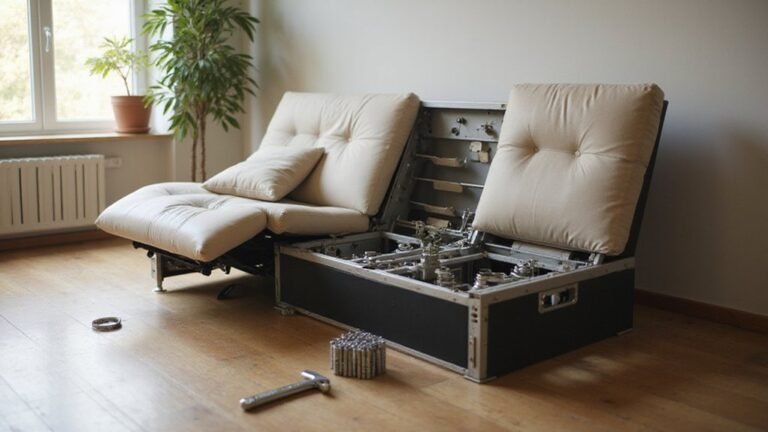
Your recliner’s size determines whether it can fit into your vehicle. Measure its dimensions—especially length, width, and height—before planning any move. Standard SUVs often work if you fold the seats down, increasing cargo space. Be sure to check the rear door width and headroom because tight openings can block the recliner from entering. For sedans, removing the backrest from the recliner usually helps it fit into the trunk, but size limits remain. The backrest removal process involves safely detaching it from the main frame, which can create more manageable pieces for transport. To ensure you can put it back together, document component placements as you take it apart. When taking the recliner apart, be careful not to damage the recliner mechanism, as bent parts can cause issues later. Pickup trucks with open beds are the easiest option since interior restrictions don’t apply, while cargo vans offer even more enclosed height. Remember, you’re not limited to your own vehicle; rental options like U-Haul vans or professional delivery services can handle larger or awkward items. Ultimately, the key factor is your recliner’s size, not the fabric or color.

**Enhanced 6 Wheels Design with Integrated Storage**: Crafted from tough TPE material, ensuring resistance to wear and tear. Including 2 fixed front wheels + 4 swivel wheels, which are securely fastened with thick brackets and screws, providing exceptional stability. Plus, a newly added strap storage box keeps your cargo secure while adding convenience for organizing essentials

Includes four furniture dollies measuring in at 5-3/4 x 6-3/8 x 2-3/8 inches each
Measure Your Recliner and Vehicle Correctly
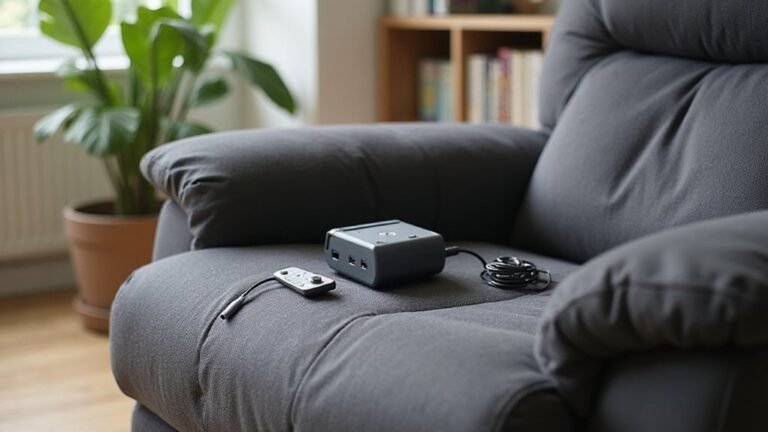
To ensure your recliner fits in your vehicle, measure its dimensions accurately first. Start by measuring the width between the inner armrests, the depth with the footrest extended, and the height to the top of the highest backrest point. Don’t forget to measure the full extension length of the recliner. For your vehicle, measure the trunk opening width, the interior cargo length with seats folded down, and the ceiling height. A typical recliner needs at least 36 inches of width and 42 inches of height for upright loading. Compare the largest dimension of your recliner to your vehicle’s corresponding space to see if it will fit. If you have a power recliner, check its height adjustment button to ensure the seat is fully lowered to minimize overall height before transport. Before measuring, consider performing some cushion maintenance or upholstery cleaning to prevent transferring dirt during the process, but always record measurements first. When disassembling it for transport, check its structural integrity to ensure it can be safely handled and reassembled. If you have a power recliner, handling it carefully during transport is crucial to protect its internal motorized components from damage.

Each pair of dollies handles a 2000-pound static load and a 1320-pound dynamic load
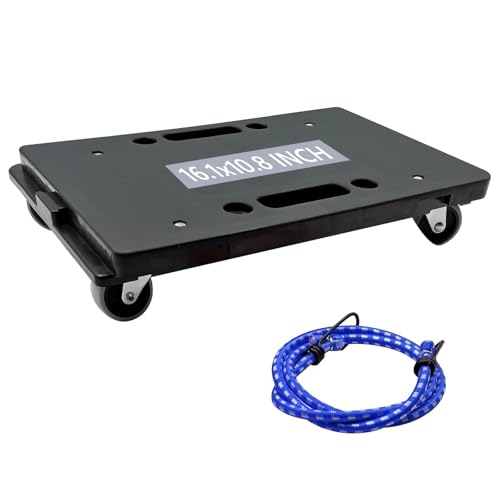
Strong Load Capacity: The furniture dolly is made with heavy duty PP material, the flat dolly surface is secured with screw-reinforced wheels and stiffeners on the back of the dolly cart, which can hold upto 440lb, it could help to move heavy items such as travel bags, refrigerators, cabinets, sofas, plants so on.
How to Disassemble Your Recliner for Transport
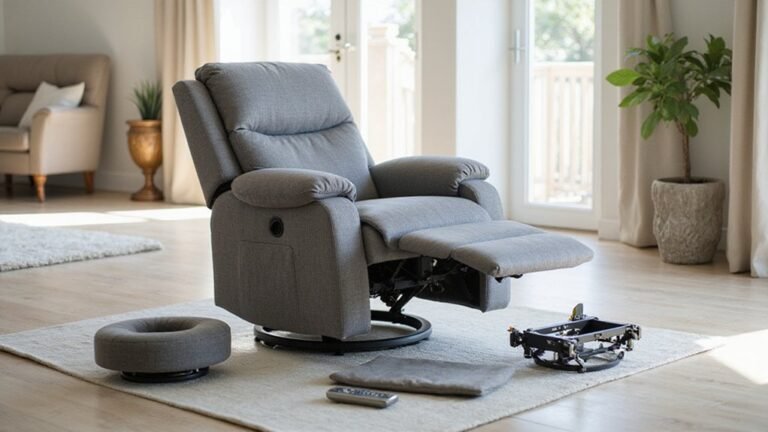
To disassemble your recliner for transport, start by flipping the chair onto its back. This position exposes brackets or levers securing the backrest. Use a flathead screwdriver or Phillips screwdriver to disengage these fasteners, then lift the backrest off. Removing the backrest is typically the first step because it reduces the bulk for moving. To disconnect the back from the base, simply locate and pull out the tabs securing the prongs and gently separate the two main pieces. This is also a good time to inspect these components for routine maintenance and cleaning to ensure smooth operation later.
Next, remove any seat cushions, which are usually attached with Velcro or snaps, and set them aside. To detach the armrests, locate the bolts underneath the chair. Use an Allen wrench or screwdriver to unscrew and remove them carefully. Before removing these bolts, check and tighten loose screws on the chair’s base and mechanisms to ensure parts are secure for handling and to prevent losing small components during the move. Your recliner’s hardwood frame construction is a key factor in its durability and will benefit from careful handling during this process. It’s helpful to take pictures during each step and organize all hardware in labeled bags to ensure easy reassembly. This step-by-step disassembly minimizes the risk of tears or scuffs and ensures the furniture’s finish and color matching remain intact during transit.

[1]:APPLY TO - Can be used in home furniture such as door, sofa, chair, lounge chair, recliner, etc. Suitable for repairing accessories for home, construction machinery, electrical equipment, mechanical device and more.

[1]:APPLY TO - Can be used in home furniture such as door, sofa, chair, lounge chair, recliner, etc. Suitable for repairing accessories for home, construction machinery, electrical equipment, mechanical device and more.

🔧 PERFECT LAZBOY COMPATIBILITY Exact replacement for worn pins, springs, modern LAZBOY recliners. Check your model’s mechanism for compatibility.
Lock the Reclining Mechanism Before Moving
Securing the recliner’s mechanism before moving is essential to prevent accidents and damage. An unlocked chair can shift unexpectedly, causing instability and potential injury during transport. Additionally, locking the recline parts reduces strain on internal mechanisms, which could break if they’re jostled freely. This is especially important for power recliner motors and their connected gears and levers. Your main goal is safety, both for yourself and your furniture.
Start by fastening the base. If your recliner swivels or rocks, engage its lock lever or knob, or insert wooden wedges to immobilize it. Then, confirm that the reclining components are secured. Push the footrest fully closed and lower the headrest. Locate the internal recline lock lever under the seat—often a small tab you flip up—and engage it. Always test each lock by applying gentle pressure; nothing should move. For power recliners without a manual lock, consult the manufacturer’s guide for battery backup procedures to safely retract the footrest before transport. This is particularly crucial for chairs designed to assist with improving mobility, as their mechanisms are finely tuned to provide gentle motion. This preparation ensures the recliner stays stable during transport, preventing sudden collapses that could cause injury or damage.
Wrap and Protect Your Recliner From Damage
Since you’ve locked the reclining mechanism, wrapping and protecting the recliner prevents scratches, tears, and damage during transit. Start by covering it with two layers of thick moving blankets, tucking excess material into crevices to ensure full coverage. Focus on high-contact areas like armrests, which are more prone to scuffs. Wrap all protruding hardware and edges with bubble wrap to prevent punctures or tears.
Next, seal everything with plastic stretch wrap from the bottom up. Apply enough tension to hold the layers securely in place, but avoid crushing the cushions. For added protection where the chair contacts your vehicle, use anti-slip padding to prevent shifting and abrasion during transport. Reinforce the corners with cardboard protectors to shield fragile points. For fabric protection, use furniture pads as a first barrier. Carefully wrap the recliner handle area to protect the cable mechanism and recliner pull cable from being bent or damaged during the move. If your recliner has a power mechanism, exercise caution around any electrical wires connected to the internal frame. Before wrapping, it is wise to check the locking pawls to ensure the mechanism is fully secured for transit. Remember to cut small vents in the top stretch wrap to prevent moisture buildup and tape hardware bags securely to the main unit for easy reassembly later.

Professional Moving Blanket -- 40" x 72" moving & packing blankets that provide exceptional damage protection from scratches, dirt, and moisture when moving or transporting furniture, appliances, and other valuable large items. It's also handy to pad moving boxes when shipping fragile items.
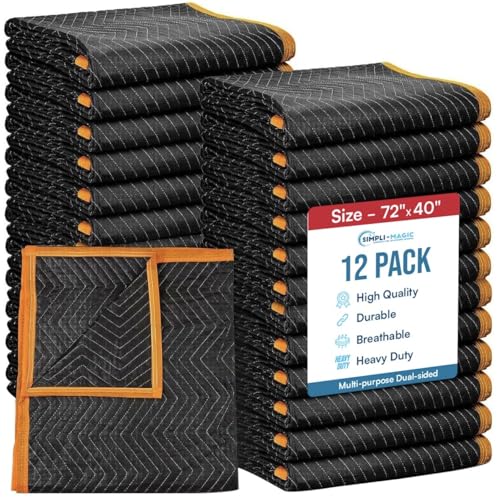
Professional-grade: Oversized, 72" x 40" premium quality moving pads that provide exceptional damage protection from scratches, nicks, dirt, and moisture when moving or transporting furniture, appliances, and other valuable large items. Designed in California

Professional Moving Blanket: Come with 3 Packs of 40x72inch heavy-duty moving pads, perfect size to cover and protect even your large items.
Load and Unload Your Recliner Safely
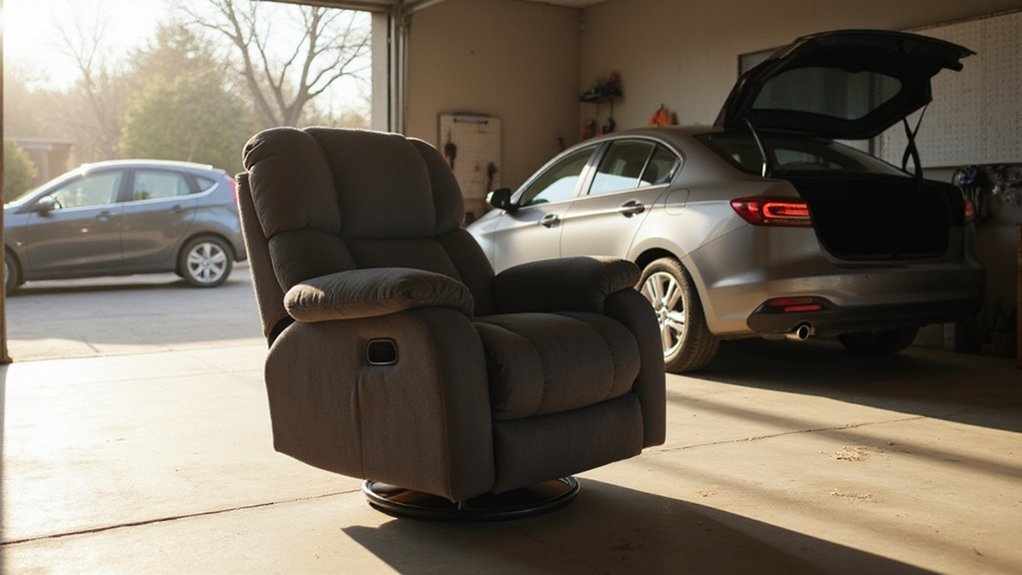
To load and unload your recliner safely, start by measuring your vehicle’s cargo space. Ensure there is at least two inches of clearance beyond your recliner’s dimensions to prevent damage. When loading, slide the recliner into your vehicle at an angle to maximize space and make the process easier. Push it gently using your legs while keeping your back straight to avoid strain. During unloading, reverse these steps by carefully tilting and sliding the recliner out. For heavier models, always have two people assist to share the load and prevent injury. Keep in mind that twisting your torso while carrying a heavy object increases the risk of injury; instead, pivot your feet to change direction safely. After moving the chair, it’s wise to inspect its internal wiring for any damage before testing the mechanism. Once it is in its new location, you can use anti-slip pads or other techniques to keep it from sliding out of place. After unloading, inspect the recliner thoroughly for any damage that might have occurred during the move and consider checking the reclining mechanism for any new issues.
How to Secure Your Recliner Inside the Vehicle
Once your recliner is safely loaded into the vehicle, securing it properly is essential to prevent shifting and damage during transit. Start by wrapping the recliner completely in thick moving blankets to protect its fabric from scratches and scuffs. Use stretch wrap to hold the blankets firmly in place. Next, attach heavy-duty ratchet straps to the vehicle’s built-in tie-down points, such as D-rings. Tighten the straps until the recliner cannot move more than an inch in any direction. For added stability, loop bungee cords through the chair’s legs and anchor them to floor anchors or tie-down points, taking special care if your chair features a removable armrest design for easier transport. Before hitting the road, perform a quick pre-drive check to ensure all straps are secure and nothing obstructs your view. When unpacking the recliner at its destination, you may want to protect its upholstery with a secure recliner cover to keep it looking new.
Solutions When Your Recliner Won’t Fit
If your recliner simply won’t fit through the doorway or into the vehicle, disassembly can be your best option. Buying wrenches or a ratchet can make disassembling components like the arms much easier. Start by gathering basic tools such as a screwdriver or Allen wrench. Remove the backrest, armrests, legs, and seat cushion one at a time, keeping each piece wrapped in furniture pads to prevent damage. This process reduces the overall size, making it easier to maneuver through tight spaces. Be sure to keep track of all parts and hardware to make reassembly easier later. If disassembly isn’t practical or doesn’t provide enough clearance, consider alternative transportation options. Renting a cargo van from a company like U-Haul or a flatbed truck from a hardware store can accommodate larger pieces. For a hands-off approach, hiring professional movers through a service like TaskRabbit can save effort and ensure proper handling. As a last resort, you might carefully secure the recliner to your vehicle’s roof using heavy-duty straps and thick padding. Just remember to avoid highways and double-check your vehicle’s roof weight limit to prevent accidents or damage.

[Best moving items] There are two ways to use the lifting straps for appliance(arm-mounted and shoulder-mounted). It meets each of your moving needs, makes it easier and safer, and can avoid back pain and strain

Effortless and Waist Friendly: Crafted with ergonomic load-bearing design, our moving straps spread weight over shoulders and back instead of concentrating stress on arms. It helps minimize waist discomfort and muscle ache, allowing effortless heavy-item transport and easing the physical burden of moving work.

Premium Durable PP Webbing Material – These moving lifting straps are crafted from high-quality high-performance polypropylene webbing material, featuring excellent wear resistance, tear resistance and tensile strength. Sturdy and not easy to deform or fray after long-term repeated use, perfectly meeting the heavy-load moving demands of daily home and office use, delivering long-lasting service life.